Click here for project abstract and background.
Scroll down to the end for 2020-2022 updates.
Segment I: Introduction


Previous VAOJ Fall Festival Photo Essays:
Really Late - Better Late Than Never - 2019 Neighborhood Fall Festival Shots From Sunday, 13 Oct. (Saturday was canceled due to a typhoon...) https://visualanthropologyofjapan.blogspot.com/2019/11/really-late-better-late-than-never-2019.html
もうすぐ「秋祭り」ですね... Getting ready to press the shutter and push the danjiri at the Fall Festival! https://visualanthropologyofjapan.blogspot.com/2019/10/getting-ready-to-press-shutter-and-push.html
「Visual Anthropology of Japan: Neighborhood Fall Festival」Presentation at AJJ 2019 Spring Workshop @ Minpaku: https://visualanthropologyofjapan.blogspot.com/2019/04/visual-anthropology-of-japan.html
2018 Fall Festival in Six Parts: 1) Pre-departure: https://visualanthropologyofjapan.blogspot.com/2018/11/2018-fall-festival-in-six-parts-1-pre.html
2018 Fall Festival in Six Parts: 2) Taking a break with another neighborhood association: https://visualanthropologyofjapan.blogspot.com/2018/11/2018-fall-festival-in-six-parts-2.html
2018 Fall festival in Six Parts: 3) Push-pulling the danjiri through the narrow streets: https://visualanthropologyofjapan.blogspot.com/2018/11/2018-fall-festival-in-six-parts-3-push.html
2018 Fall Festival in Six Parts: 4) Lunch break: https://visualanthropologyofjapan.blogspot.com/2018/11/2018-fall-festival-in-six-parts-4-lunch.html
2018 Fall Festival in Six Parts: 5) Celebration with another neighborhood association: https://visualanthropologyofjapan.blogspot.com/2018/11/2018-fall-festival-in-six-parts-5.html
2018 Fall Festival in Six Parts: 6) Post-matsuri and getting busted by the cops: https://visualanthropologyofjapan.blogspot.com/2018/11/2018-fall-festival-in-six-parts-6-post.html
2017 Fall Festival: https://visualanthropologyofjapan.blogspot.com/2017/10/2017-it-was-rainy-fall-festival-this.html
2016 Fall Festival: http://visualanthropologyofjapan.blogspot.jp/2016/10/2016-autumn-festival.html
2014 Fall Festival: http://visualanthropologyofjapan.blogspot.jp/2014/11/2014-fall-festival.html
2013 Fall Festival: http://visualanthropologyofjapan.blogspot.jp/2013/11/2013-fall-festival.html
2012 Fall Festival: http://visualanthropologyofjapan.blogspot.jp/2012/10/2012-fall-festival.html
2010 Local Matsuri in Classic Black & White: http://visualanthropologyofjapan.blogspot.jp/2010/11/local-matsuri-in-classic-black-white.html
2010 Local Matsuri In Living Color: http://visualanthropologyofjapan.blogspot.jp/2010/11/local-matsuri-in-living-color.html
Kadoma-shi and Danjiri
The area now known as Kadoma-shi has a long and rich history going back to the Jomon Period, Edo Period and of course more modern times.
Details from the Kadoma-shi web page: https://www.city.kadoma.osaka.jp/shisei/shokai/index.html

Danjiri festivals are popular and numerous not only in Kadoma-shi but all over Japan. These web pages have a lot in great photos that show an interesting diversity of celebrations:


https://blogs.yahoo.co.jp/danjiribayashi0
https://blogs.yahoo.co.jp/danjiribayashi0/48948748.html
http://www.danjirigoya.danjiri.info/tanig/dnjr/index.htm
http://danjirigoya.fan-site.net/dnjr2007/look13/kadoma/index5.html#1
This site introduces neighborhood groups and danjiri in Kadoma-shi (scroll down to see Shirogaki-cho's danjiri 城垣町祭保存会):
http://kadoma.mypl.net/article/dentobunka_kadoma/28629

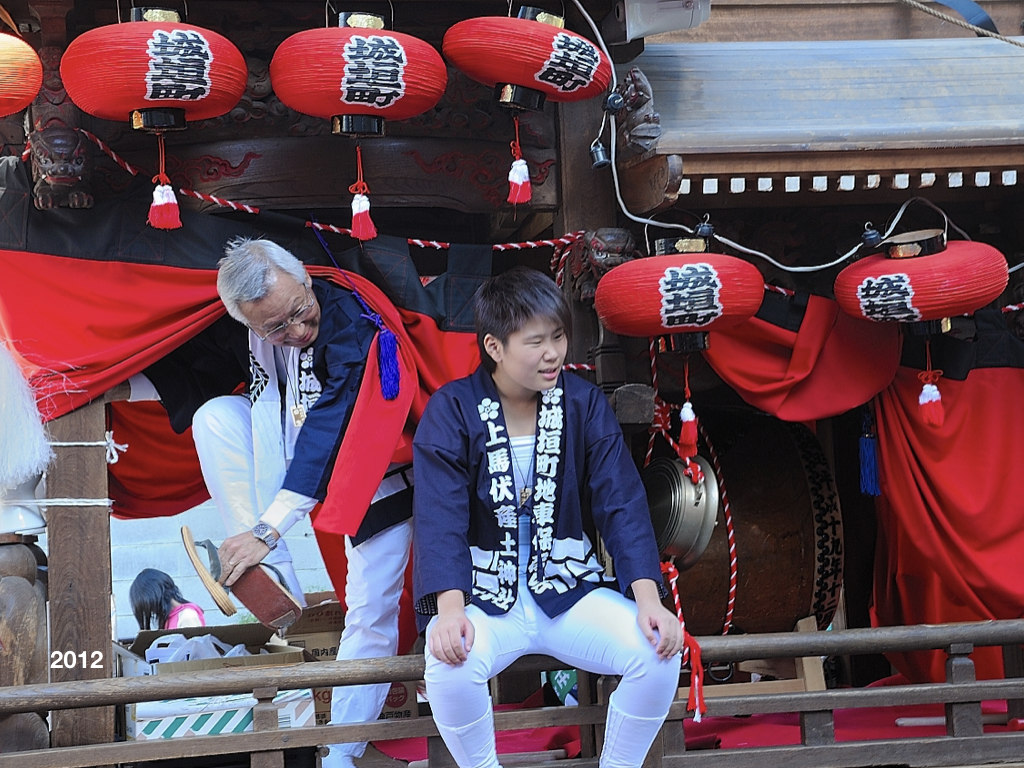
Rough translation of text: The upper part [of the danjiri], including the stage pillars, is said to have been made in the late Edo period... Although [the neighborhood festival] had been suspended for a while after the war, it is still centered around its young power... As a feature, the front rider is wearing a traditional pink long-sleeved robe.
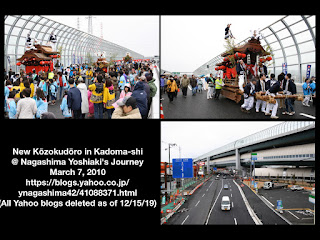
Kadoma-shi gathers its danjiri together to celebrate the opening of a new expressway (this was before I began my research...).
Kadoma-shi gathered its danjiri together to celebrate Culture Day (national holiday on November 3) in 2012 and 2013.


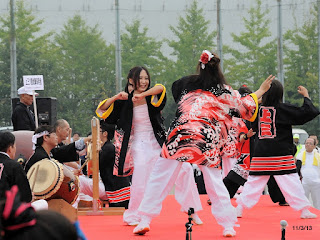


2012 Danjiri Culture Day Festival in Kadoma-shi https://visualanthropologyofjapan.blogspot.com/2012/10/2012-danjiri-culture-day-festival-in.html
2013 門真市地域伝統文化まつり (Kadoma-shi Neighborhood Traditional Culture Festival) https://visualanthropologyofjapan.blogspot.com/2013/11/2013-kadoma-shi-neighborhood.html
Kadoma-shi also gathered its danjiri together to celebrate the new emperor and new era.

令和の門真の発展を願ってだんじり・太鼓台パレード - Kadoma-shi New Reiwa Era Danjiri and Taiko Drum Parade (11/23/19). See The Reiwa Experience below.
Segment II: Day One



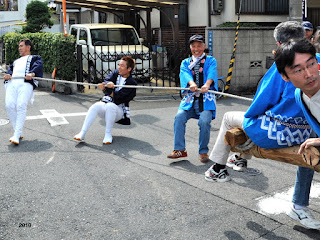


Segment III: Day Two Part 1


Segment IV: The Reiwa Experience

「令和の門真の発展を願ってだんじり・太鼓台パレード」--- Hope and Well Wishes for Kadoma-shi in the New Reiwa Era Danjiri and Taiko Drum Parade (11/23/19) - pt.1 https://visualanthropologyofjapan.blogspot.com/2019/11/hope-and-well-wishes-for-kadoma-shi-in.html
「令和の門真の発展を願ってだんじり・太鼓台パレード」--- Hope and Well Wishes for Kadoma-shi in the New Reiwa Era Danjiri and Taiko Drum Parade (11/23/19) - pt.2 - Preparations https://visualanthropologyofjapan.blogspot.com/2019/11/hope-and-well-wishes-for-kadoma-shi-in_29.html
「令和の門真の発展を願ってだんじり・太鼓台パレード」--- Hope and Well Wishes for Kadoma-shi in the New Reiwa Era Danjiri and Taiko Drum Parade (11/23/19) - pt.3 - Truckin' the Danjiri to the Parade https://visualanthropologyofjapan.blogspot.com/2019/11/hope-and-well-wishes-for-kadoma-shi-in_30.html
「令和の門真の発展を願ってだんじり・太鼓台パレード」--- Hope and Well Wishes for Kadoma-shi in the New Reiwa Era Danjiri and Taiko Drum Parade (11/23/19) - pt.4 - Gathering at the meeting place... And then they're off! https://visualanthropologyofjapan.blogspot.com/2019/12/hope-and-well-wishes-for-kadoma-shi-in.html
「令和の門真の発展を願ってだんじり・太鼓台パレード」--- Hope and Well Wishes for Kadoma-shi in the New Reiwa Era Danjiri and Taiko Drum Parade (11/23/19) - pt.5 - The Parade! https://visualanthropologyofjapan.blogspot.com/2019/12/hope-and-well-wishes-for-kadoma-shi-in_2.html
「令和の門真の発展を願ってだんじり・太鼓台パレード」--- Hope and Well Wishes for Kadoma-shi in the New Reiwa Era Danjiri and Taiko Drum Parade (11/23/19) - pt.6 - More Parade! https://visualanthropologyofjapan.blogspot.com/2019/12/hope-and-well-wishes-for-kadoma-shi-in_10.html
令和の門真の発展を願ってだんじり・太鼓台パレード」--- Hope and Well Wishes for Kadoma-shi in the New Reiwa Era Danjiri and Taiko Drum Parade (11/23/19) - pt.7 - The Performances https://visualanthropologyofjapan.blogspot.com/2019/12/hope-and-well-wishes-for-kadoma-shi-in_15.html
令和の門真の発展を願ってだんじり・太鼓台パレード」--- Hope and Well Wishes for Kadoma-shi in the New Reiwa Era Danjiri and Taiko Drum Parade (11/23/19) - pt.8 - The Finale: Battle! https://visualanthropologyofjapan.blogspot.com/2019/12/hope-and-well-wishes-for-kadoma-shi-in_16.html
令和の門真の発展を願ってだんじり・太鼓台パレード」--- Hope and Well Wishes for Kadoma-shi in the New Reiwa Era Danjiri and Taiko Drum Parade (11/23/19) - pt.9 - The Finale: Battle! Video as Raw Data https://visualanthropologyofjapan.blogspot.com/2019/12/hope-and-well-wishes-for-kadoma-shi-in_86.html
令和の門真の発展を願ってだんじり・太鼓台パレード」--- Hope and Well Wishes for Kadoma-shi in the New Reiwa Era Danjiri and Taiko Drum Parade (11/23/19) - pt.10 - Lest We Forget the Mochi Maki... https://visualanthropologyofjapan.blogspot.com/2019/12/hope-and-well-wishes-for-kadoma-shi-in_19.html
Segment V: Day Two Part 2


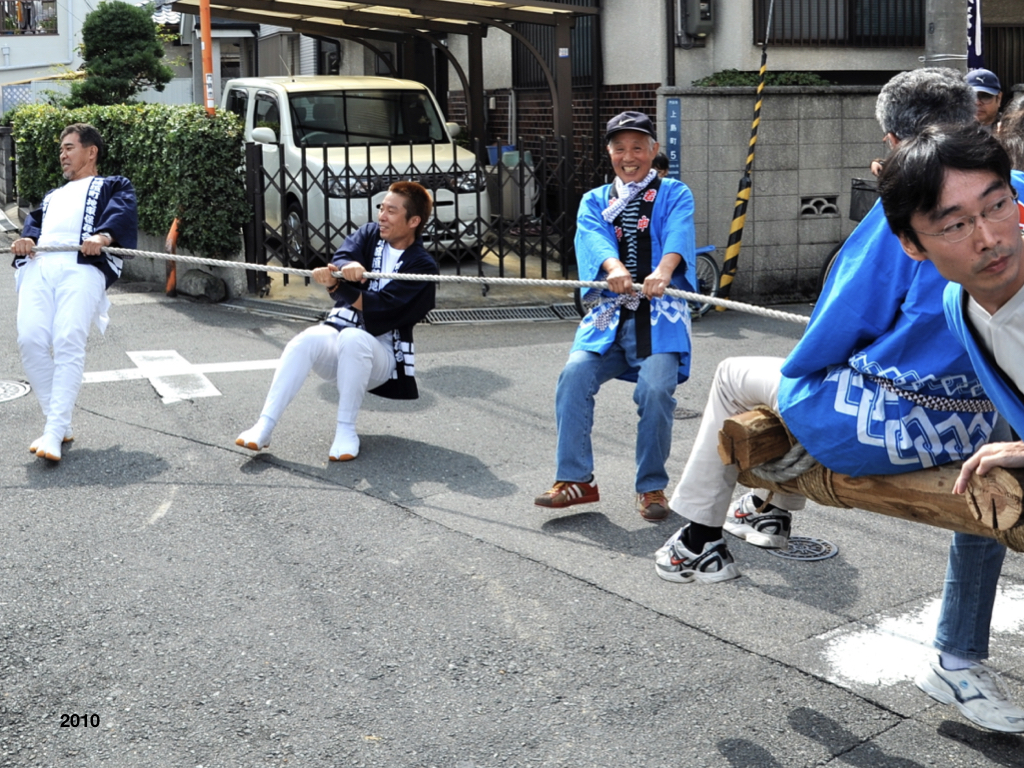
I was sitting, enjoying the delicious meat and chu-hai with my family and about 30 neighbors, appreciating their efforts over the last two days and the past several years I have been participating in the fall festival. I was thinking about these people getting up early Saturday morning to prepare the danjiri, push the beast through our neighborhood, returning to the shrine and preparing it for an evening festival of food, drinks and games for children and hosting special guests from other neighborhood associations before cleaning up the shrine grounds until late in the night. Then they got up early Sunday morning for another procession and events with other neighborhood groups. Technically they were parading the local kami (deity) from the shrine to bestow its blessings on the people of the parish but perhaps more importantly from an anthropological perspective they were spreading good will and friendship within our parish and with other neighborhood associations. Very respectful to say the least. I was also thinking what a shame it was that so few people participate in this important event. None of the people in the area around my house participate or even greet the shrine as it blesses their streets.
It was about 8:00 PM when I was thinking these thoughts. Then a young police officer showed up. Apparently somebody had complained about the noise from our celebration. This was not a loud and crazy party. It was a dinner party at our local shinto shrine - most of us had to work or go to school the next day. The police officer looked uncomfortable as he asked our community leaders to keep the noise level down. We were stunned and amused at the same time. And even more so when another (older) police officer came about 20 minutes later responding to the same complaint. I was able to snap a couple of pictures on my iPhone that shows the nervous/uncomfortable gestures of the police officer. We promised once again to keep it down and then ended our party 30 minutes later as scheduled.
It seems sad that few people participate and that one would even complain about perhaps the second most important shrine festival in our neighborhood (the most important the celebration on New Year's Eve that goes well past midnight). One worries about the traditional culture of Japan until they see the determination and efforts of my neighbors. See you next year!
Still to be continued...

UPDATES: Segment I: Introduction


Previous VAOJ Fall Festival Photo Essays:
Really Late - Better Late Than Never - 2019 Neighborhood Fall Festival Shots From Sunday, 13 Oct. (Saturday was canceled due to a typhoon...) https://visualanthropologyofjapan.blogspot.com/2019/11/really-late-better-late-than-never-2019.html
もうすぐ「秋祭り」ですね... Getting ready to press the shutter and push the danjiri at the Fall Festival! https://visualanthropologyofjapan.blogspot.com/2019/10/getting-ready-to-press-shutter-and-push.html
「Visual Anthropology of Japan: Neighborhood Fall Festival」Presentation at AJJ 2019 Spring Workshop @ Minpaku: https://visualanthropologyofjapan.blogspot.com/2019/04/visual-anthropology-of-japan.html
2018 Fall Festival in Six Parts: 1) Pre-departure: https://visualanthropologyofjapan.blogspot.com/2018/11/2018-fall-festival-in-six-parts-1-pre.html
2018 Fall Festival in Six Parts: 2) Taking a break with another neighborhood association: https://visualanthropologyofjapan.blogspot.com/2018/11/2018-fall-festival-in-six-parts-2.html
2018 Fall festival in Six Parts: 3) Push-pulling the danjiri through the narrow streets: https://visualanthropologyofjapan.blogspot.com/2018/11/2018-fall-festival-in-six-parts-3-push.html
2018 Fall Festival in Six Parts: 4) Lunch break: https://visualanthropologyofjapan.blogspot.com/2018/11/2018-fall-festival-in-six-parts-4-lunch.html
2018 Fall Festival in Six Parts: 5) Celebration with another neighborhood association: https://visualanthropologyofjapan.blogspot.com/2018/11/2018-fall-festival-in-six-parts-5.html
2018 Fall Festival in Six Parts: 6) Post-matsuri and getting busted by the cops: https://visualanthropologyofjapan.blogspot.com/2018/11/2018-fall-festival-in-six-parts-6-post.html
2017 Fall Festival: https://visualanthropologyofjapan.blogspot.com/2017/10/2017-it-was-rainy-fall-festival-this.html
2016 Fall Festival: http://visualanthropologyofjapan.blogspot.jp/2016/10/2016-autumn-festival.html
2014 Fall Festival: http://visualanthropologyofjapan.blogspot.jp/2014/11/2014-fall-festival.html
2013 Fall Festival: http://visualanthropologyofjapan.blogspot.jp/2013/11/2013-fall-festival.html
2012 Fall Festival: http://visualanthropologyofjapan.blogspot.jp/2012/10/2012-fall-festival.html
2010 Local Matsuri in Classic Black & White: http://visualanthropologyofjapan.blogspot.jp/2010/11/local-matsuri-in-classic-black-white.html
2010 Local Matsuri In Living Color: http://visualanthropologyofjapan.blogspot.jp/2010/11/local-matsuri-in-living-color.html
Kadoma-shi and Danjiri
The area now known as Kadoma-shi has a long and rich history going back to the Jomon Period, Edo Period and of course more modern times.
Details from the Kadoma-shi web page: https://www.city.kadoma.osaka.jp/shisei/shokai/index.html

Danjiri festivals are popular and numerous not only in Kadoma-shi but all over Japan. These web pages have a lot in great photos that show an interesting diversity of celebrations:


https://blogs.yahoo.co.jp/danjiribayashi0
https://blogs.yahoo.co.jp/danjiribayashi0/48948748.html
http://www.danjirigoya.danjiri.info/tanig/dnjr/index.htm
http://danjirigoya.fan-site.net/dnjr2007/look13/kadoma/index5.html#1
This site introduces neighborhood groups and danjiri in Kadoma-shi (scroll down to see Shirogaki-cho's danjiri 城垣町祭保存会):
http://kadoma.mypl.net/article/dentobunka_kadoma/28629
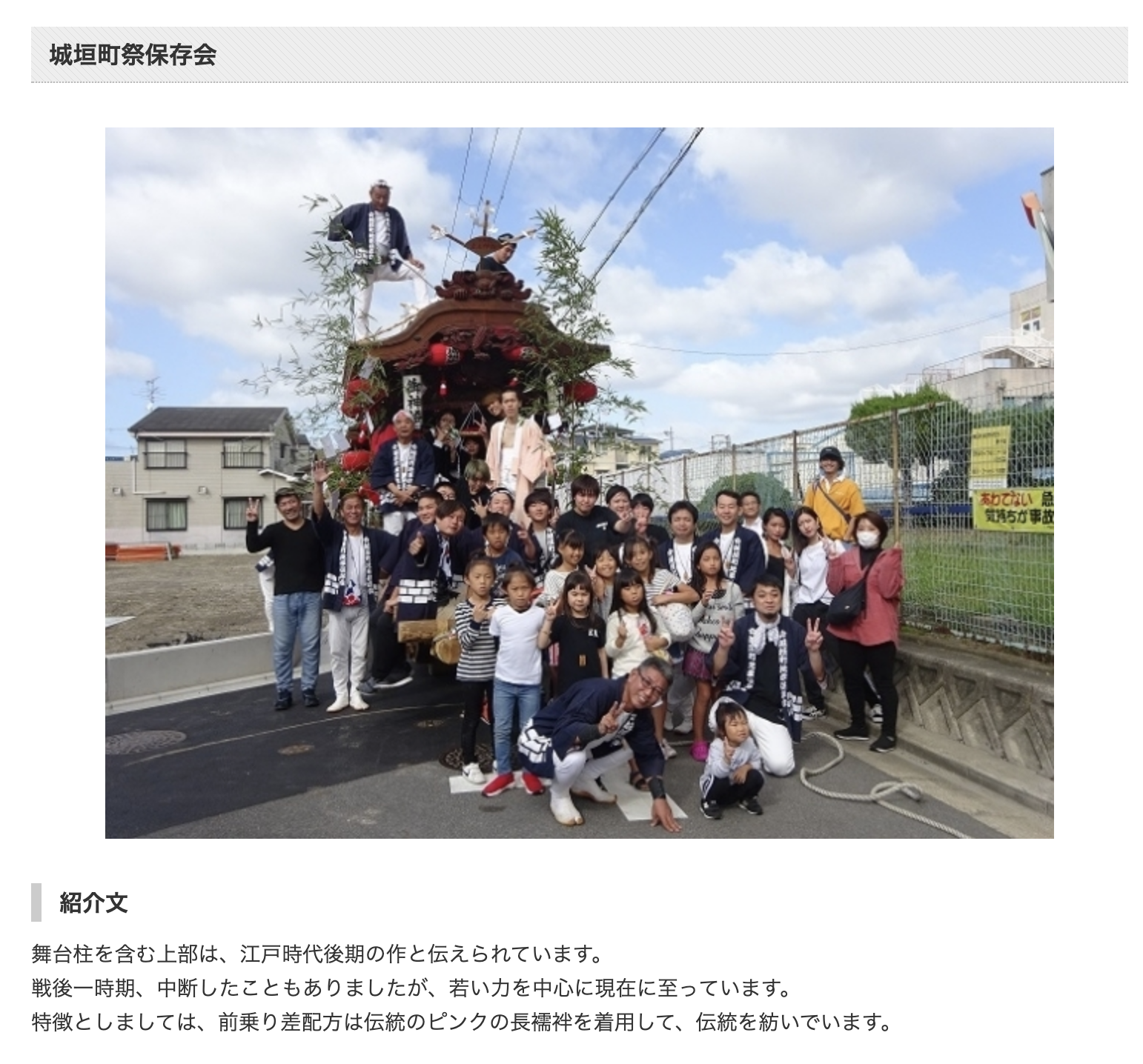
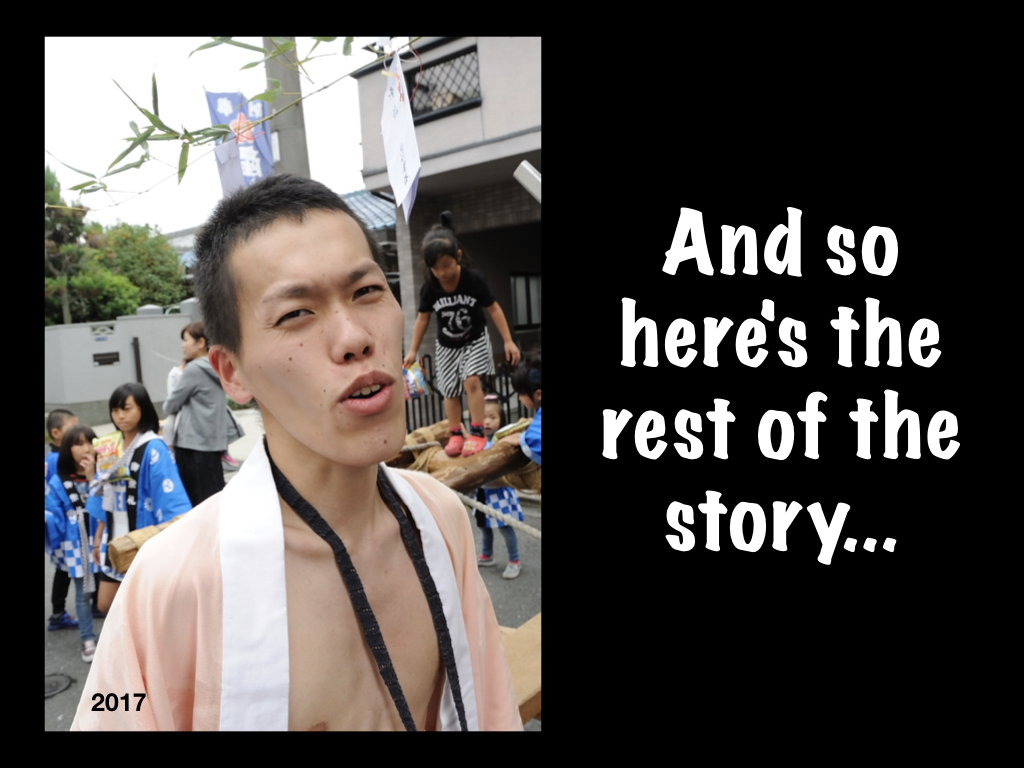
Rough translation of text: The upper part [of the danjiri], including the stage pillars, is said to have been made in the late Edo period... Although [the neighborhood festival] had been suspended for a while after the war, it is still centered around its young power... As a feature, the front rider is wearing a traditional pink long-sleeved robe.
Kadoma-shi gathers its danjiri together to celebrate the opening of a new expressway (this was before I began my research...).

Kadoma-shi gathered its danjiri together to celebrate Culture Day (national holiday on November 3) in 2012 and 2013.


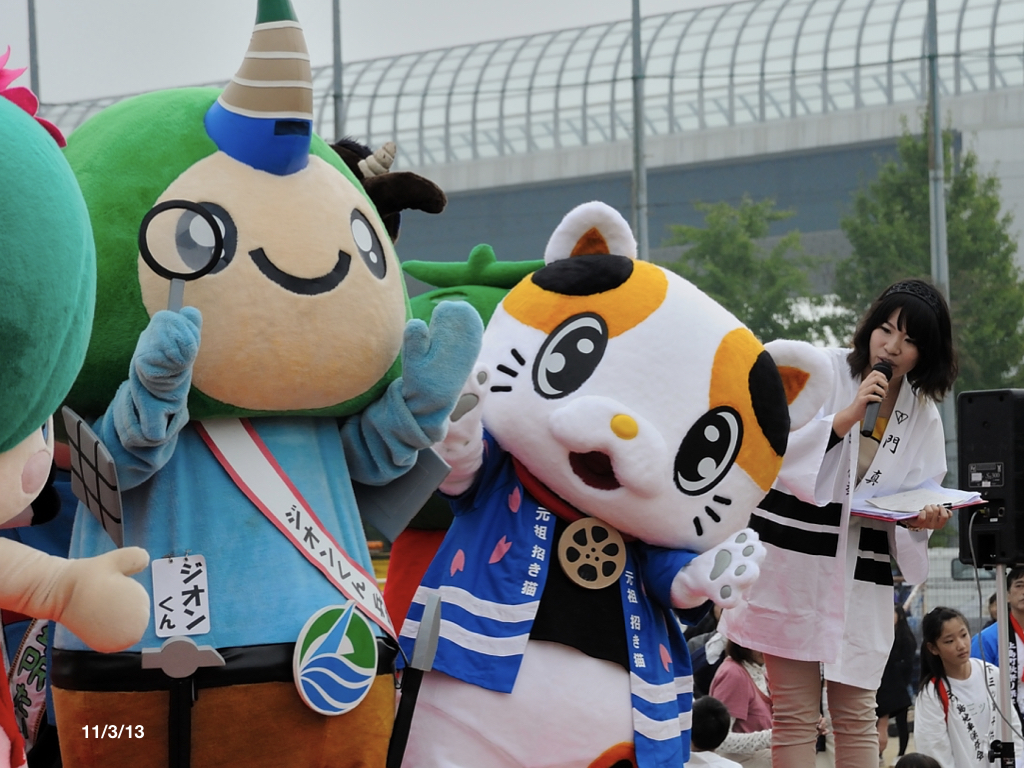
2012 Danjiri Culture Day Festival in Kadoma-shi https://visualanthropologyofjapan.blogspot.com/2012/10/2012-danjiri-culture-day-festival-in.html
2013 門真市地域伝統文化まつり (Kadoma-shi Neighborhood Traditional Culture Festival) https://visualanthropologyofjapan.blogspot.com/2013/11/2013-kadoma-shi-neighborhood.html
Kadoma-shi also gathered its danjiri together to celebrate the new emperor and new era.

令和の門真の発展を願ってだんじり・太鼓台パレード - Kadoma-shi New Reiwa Era Danjiri and Taiko Drum Parade (11/23/19). See The Reiwa Experience below.
Segment II: Day One


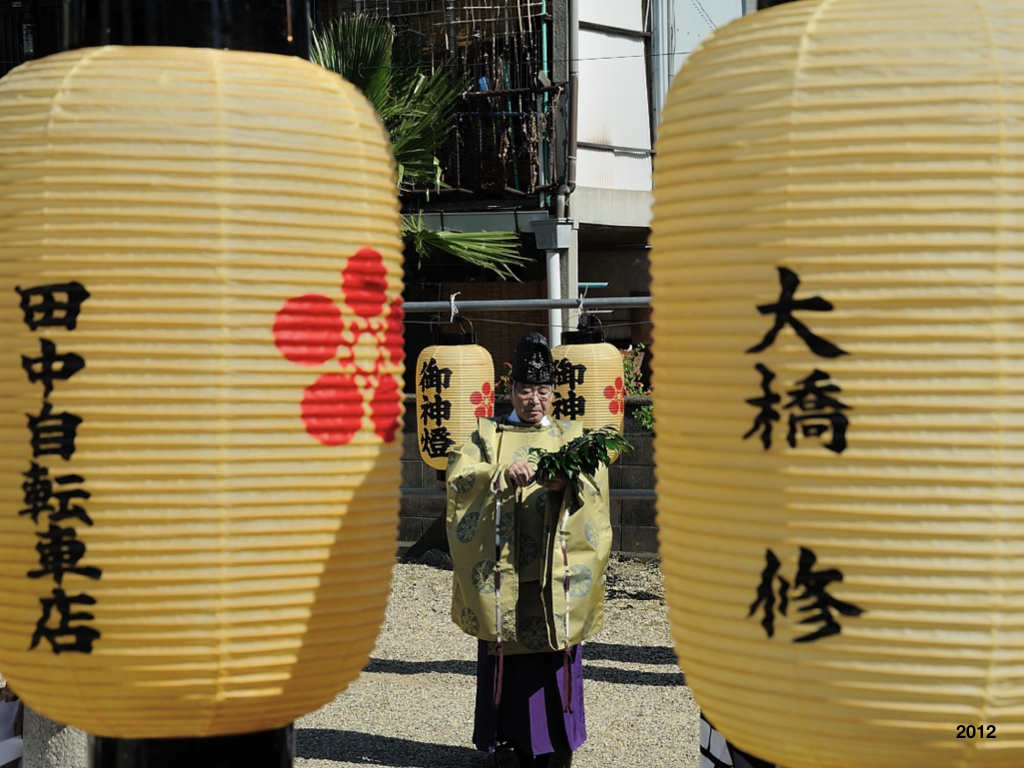




Segment III: Day Two Part 1




Segment IV: The Reiwa Experience

「令和の門真の発展を願ってだんじり・太鼓台パレード」--- Hope and Well Wishes for Kadoma-shi in the New Reiwa Era Danjiri and Taiko Drum Parade (11/23/19) - pt.1 https://visualanthropologyofjapan.blogspot.com/2019/11/hope-and-well-wishes-for-kadoma-shi-in.html
「令和の門真の発展を願ってだんじり・太鼓台パレード」--- Hope and Well Wishes for Kadoma-shi in the New Reiwa Era Danjiri and Taiko Drum Parade (11/23/19) - pt.2 - Preparations https://visualanthropologyofjapan.blogspot.com/2019/11/hope-and-well-wishes-for-kadoma-shi-in_29.html
「令和の門真の発展を願ってだんじり・太鼓台パレード」--- Hope and Well Wishes for Kadoma-shi in the New Reiwa Era Danjiri and Taiko Drum Parade (11/23/19) - pt.3 - Truckin' the Danjiri to the Parade https://visualanthropologyofjapan.blogspot.com/2019/11/hope-and-well-wishes-for-kadoma-shi-in_30.html
「令和の門真の発展を願ってだんじり・太鼓台パレード」--- Hope and Well Wishes for Kadoma-shi in the New Reiwa Era Danjiri and Taiko Drum Parade (11/23/19) - pt.4 - Gathering at the meeting place... And then they're off! https://visualanthropologyofjapan.blogspot.com/2019/12/hope-and-well-wishes-for-kadoma-shi-in.html
「令和の門真の発展を願ってだんじり・太鼓台パレード」--- Hope and Well Wishes for Kadoma-shi in the New Reiwa Era Danjiri and Taiko Drum Parade (11/23/19) - pt.5 - The Parade! https://visualanthropologyofjapan.blogspot.com/2019/12/hope-and-well-wishes-for-kadoma-shi-in_2.html
「令和の門真の発展を願ってだんじり・太鼓台パレード」--- Hope and Well Wishes for Kadoma-shi in the New Reiwa Era Danjiri and Taiko Drum Parade (11/23/19) - pt.6 - More Parade! https://visualanthropologyofjapan.blogspot.com/2019/12/hope-and-well-wishes-for-kadoma-shi-in_10.html
令和の門真の発展を願ってだんじり・太鼓台パレード」--- Hope and Well Wishes for Kadoma-shi in the New Reiwa Era Danjiri and Taiko Drum Parade (11/23/19) - pt.7 - The Performances https://visualanthropologyofjapan.blogspot.com/2019/12/hope-and-well-wishes-for-kadoma-shi-in_15.html
令和の門真の発展を願ってだんじり・太鼓台パレード」--- Hope and Well Wishes for Kadoma-shi in the New Reiwa Era Danjiri and Taiko Drum Parade (11/23/19) - pt.8 - The Finale: Battle! https://visualanthropologyofjapan.blogspot.com/2019/12/hope-and-well-wishes-for-kadoma-shi-in_16.html
令和の門真の発展を願ってだんじり・太鼓台パレード」--- Hope and Well Wishes for Kadoma-shi in the New Reiwa Era Danjiri and Taiko Drum Parade (11/23/19) - pt.9 - The Finale: Battle! Video as Raw Data https://visualanthropologyofjapan.blogspot.com/2019/12/hope-and-well-wishes-for-kadoma-shi-in_86.html
令和の門真の発展を願ってだんじり・太鼓台パレード」--- Hope and Well Wishes for Kadoma-shi in the New Reiwa Era Danjiri and Taiko Drum Parade (11/23/19) - pt.10 - Lest We Forget the Mochi Maki... https://visualanthropologyofjapan.blogspot.com/2019/12/hope-and-well-wishes-for-kadoma-shi-in_19.html
Segment V: Day Two Part 2


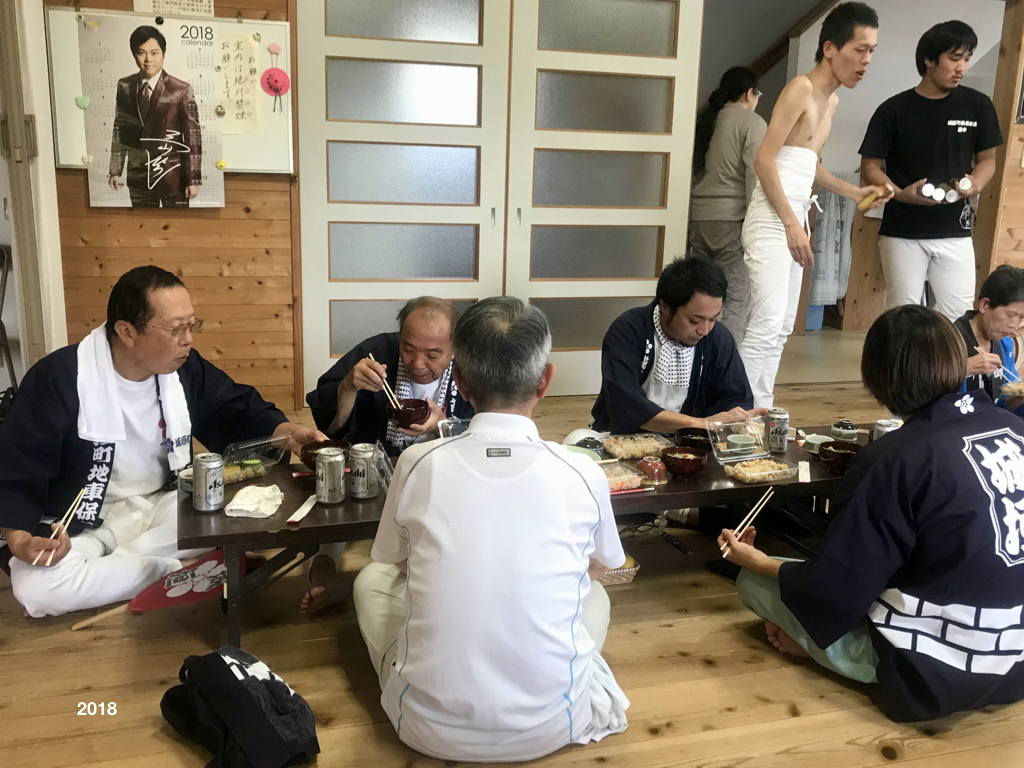
I was sitting, enjoying the delicious meat and chu-hai with my family and about 30 neighbors, appreciating their efforts over the last two days and the past several years I have been participating in the fall festival. I was thinking about these people getting up early Saturday morning to prepare the danjiri, push the beast through our neighborhood, returning to the shrine and preparing it for an evening festival of food, drinks and games for children and hosting special guests from other neighborhood associations before cleaning up the shrine grounds until late in the night. Then they got up early Sunday morning for another procession and events with other neighborhood groups. Technically they were parading the local kami (deity) from the shrine to bestow its blessings on the people of the parish but perhaps more importantly from an anthropological perspective they were spreading good will and friendship within our parish and with other neighborhood associations. Very respectful to say the least. I was also thinking what a shame it was that so few people participate in this important event. None of the people in the area around my house participate or even greet the shrine as it blesses their streets.
It was about 8:00 PM when I was thinking these thoughts. Then a young police officer showed up. Apparently somebody had complained about the noise from our celebration. This was not a loud and crazy party. It was a dinner party at our local shinto shrine - most of us had to work or go to school the next day. The police officer looked uncomfortable as he asked our community leaders to keep the noise level down. We were stunned and amused at the same time. And even more so when another (older) police officer came about 20 minutes later responding to the same complaint. I was able to snap a couple of pictures on my iPhone that shows the nervous/uncomfortable gestures of the police officer. We promised once again to keep it down and then ended our party 30 minutes later as scheduled.
It seems sad that few people participate and that one would even complain about perhaps the second most important shrine festival in our neighborhood (the most important the celebration on New Year's Eve that goes well past midnight). One worries about the traditional culture of Japan until they see the determination and efforts of my neighbors. See you next year!
Still to be continued...

(2020) No Fall Festival this year - the danjiri remained locked in the shed - but a kagura dance was performed, attended by (in addition to the Shinto priest and dancers) 7 old men (the shrine board of directors), a visual anthropologist and his 7-year-old assistant
https://visualanthropologyofjapan.blogspot.com/2020/10/no-fall-festival-this-year-danjiri.html
(2021) 秋祭 / Fall Festival 2021 (pt.1): canceled again due to COVID-19, but a few of us got together in the morning to drag the danjiri out of storage and clean it for the the first time in two years; it was good to see my friends again and participate in other activities at the shrine in the afternoon (to be continued...)
https://visualanthropologyofjapan.blogspot.com/2021/10/fall-festival-2021-pt1-canceled-again.html
(2021) Transitions
https://visualanthropologyofjapan.blogspot.com/2021/10/transition.html
(2021) 秋祭 / Fall Festival 2021 (pt.2): canceled again due to COVID-19; the shrine elders gather in the afternoon for the yudate (boiling water purification) ceremony - raw video data and photographs
https://visualanthropologyofjapan.blogspot.com/2021/10/fall-festival-2021-pt2-canceled-again.html
(2022) Fall Festival - Day One
http://visualanthropologyofjapan.blogspot.com/2022/10/2022-fall-festival-day-one.html
(2022) Fall Festival - Day Two
http://visualanthropologyofjapan.blogspot.com/2022/10/2022-fall-festival-day-two.html
(2022) Fall Festival - I'm feeling like monochrome...
http://visualanthropologyofjapan.blogspot.com/2022/10/2022-fall-festival-im-feeling-like.html
https://visualanthropologyofjapan.blogspot.com/2020/10/no-fall-festival-this-year-danjiri.html
(2021) 秋祭 / Fall Festival 2021 (pt.1): canceled again due to COVID-19, but a few of us got together in the morning to drag the danjiri out of storage and clean it for the the first time in two years; it was good to see my friends again and participate in other activities at the shrine in the afternoon (to be continued...)
https://visualanthropologyofjapan.blogspot.com/2021/10/fall-festival-2021-pt1-canceled-again.html
(2021) Transitions
https://visualanthropologyofjapan.blogspot.com/2021/10/transition.html
(2021) 秋祭 / Fall Festival 2021 (pt.2): canceled again due to COVID-19; the shrine elders gather in the afternoon for the yudate (boiling water purification) ceremony - raw video data and photographs
https://visualanthropologyofjapan.blogspot.com/2021/10/fall-festival-2021-pt2-canceled-again.html
(2022) Fall Festival - Day One
http://visualanthropologyofjapan.blogspot.com/2022/10/2022-fall-festival-day-one.html
(2022) Fall Festival - Day Two
http://visualanthropologyofjapan.blogspot.com/2022/10/2022-fall-festival-day-two.html
(2022) Fall Festival - I'm feeling like monochrome...
http://visualanthropologyofjapan.blogspot.com/2022/10/2022-fall-festival-im-feeling-like.html