Produced, Directed and Written by John Williams
Co-Producer and Co-Director: Yu Iwasaki
2024/86 min./Japan/Bilingual version (Japanese with English subtitles, English with Japanese subtitles)
November 12, 2025
18:30 to 20:30 (Doors Open at 18:00,Screening from 18:30)
Room L-821, 8F, Library building, Sophia University
No registration necessary / Free of charge
North Cormorant Island was filmed over ten years (between 2014 and 2024) in the remote fishing village of Kitaushima (which means North Cormorant Island), on Sado Island, Japan. Until the 1960’s the village was only accessible by boat, but a couple of hundred people lived there, rice-farming, fishing and raising cattle. After a road was built, young people began to drift to the cities and now there are less than thirty residents, most of them over seventy years old. The film blends observational documentary, following the everyday life of the village, the rituals, customs and work of the people who live there with a personal, poetic reflection on the director’s childhood in his father’s village in Wales. It is a film about time, place, mortality and human relationships with the land and the sea.
The film was awarded the Audience Award at Tokyo Documentary Film Festival, 2024.
Trailer: https://youtu.be/vm7UQ7CNgo8
This event is part one of the Sophia Symposium 2025 “Exploring a Japanese Fishing Village through Art” organized by John Williams and the ICC Collaborative Research Unit with the JSPS Scientific Research (C) 24K03565 Art, Environment and Sustainable Futures.
Symposium Part two: November 15th / 18:30 to 19:30 (Doors Open at 18:00) Performance of a Play “The Blue Tanuki Dreams of a Two-Moon Night.” (In Japanese with English text explanation.)
Symposium Part three: November 16th / 10:00 to 18:40 Symposium with guest speakers reflecting on similar projects in villages in Brazil, Norway and the UK.
***
北鵜島
監督:ジョン・ウィリアムズ、岩崎裕
2024年/86分/日本/バイリンガル版(日本語に英語字幕、英語に日本語字幕が付きます)
11月12日
18:30-20:30(開場18:00、上映開始18:30)
上智大学図書館 8階 L-821会議室
事前登録不要/入場無料
佐渡島にある海辺の小さな集落、北鵜島。その素朴さと美しさに魅了された、英国ウェールズ出身の監督が10年にわたり東京からかの地へ通い、人々と風土を記録する。中世から続く神事「車田植」などの風習や、山海の恵みと厳しさと共に生きる人々の知恵や精神に触れるなかで、監督は故郷ウェールズでの思い出や、海洋学者だった父の最期に思いを馳せる。さまざまな歴史や記憶が重なり、やがて鮮やかな人間賛歌へと結実していく。(2024年東京ドキュメンタリー映画祭観客賞受賞作品)
Source: https://www.icc-sophia.com/post/a-screening-of-a-documentary-film-kitaushima-north-cormorant-island/
Explorations and experiments in visual representations - multimodality, sensory ethnography, reflexivity, autoethnographic vignettes, ethnographic photography and ba...
Showing posts with label film. Show all posts
Tuesday, October 21, 2025
Sunday, January 12, 2025
MASATO USHIMARU / RESEARCH-BASED PHOTOGRAPHY Photobook and Ethnographic Film: "OUR CO-BLIND"
PHOTOBOOK, OUR CO-BLIND - A Visual Ethnography of the Visually Impaired Community in the Northern Philippines
"OUR CO-BLIND -A Visual Ethnography of the Visually Impaired Community in the Northern Philippines" is a visual anthropological research project exploring the care practices and social movements among visually impaired communities in the northern Philippines. Grounded in years of fieldwork, photography, and filmmaking, the project combines sensory interventions with an ethnographic approach to uncover the community’s inner logic and forms of intimacy. Through dialogue and immersion in their sensory worlds via photography, the researcher collaborates with visually impaired interlocutors to philosophically examine what it truly means to “see better” beyond vision.
B5 size / 112 pages / Photography, Text and Design by Masato Ushimaru / Printed in Japan by inuunic / Published in Jan 2025
Website: https://studioboukei.square.site/product/photobook-our-co-blind-a-visual-ethnography-of-the-visually-impaired-community-in-the-northern-philippines/7
ETHNOGRAPHIC FILM "OUR CO-BLIND"
Summary (translated from webiste): Produced as the result of a research project for the Master's in Visual Anthropology at Aarhus University, Denmark, this work focuses on the autonomous community and social movement formed by visually impaired people living in the highland city of Baguio City and its surrounding areas in the province of Benguet in the northern Philippines. Starting with ethnography on care practices within the community of visually impaired people, the film depicts spontaneous and generative care relationships that are tailored to the situation, going beyond the binary role recognition of "caregiver" and "care recipient." Furthermore, it captures how the "bigger voices" that people with disabilities acquire by gathering together and sharing their lives are heard by the society of the northern Philippines and lead to social movements. There, the reality emerges that "care," which is often spoken of with an emotional and human impression, is an extremely logical and strategic act.
Title “Our Co-Blind - An Ethnography of Care among Visually Impaired Communities in Baguio”
Year of Production 2023
Country of Production Denmark
Duration 38min
Interlocutors Alfredo Esquillo, Shirley Esquillo, Domingo Regados, Junifer Ap-Ap, Jennifer Maysa (br /> Director / Editor Masato Ushimaru (Aarhus University, MSc in Visual Anthropology)
Translator Darleen Vee Bialno
Website: https://masatoushimaru.com/our-co-blind
"OUR CO-BLIND -A Visual Ethnography of the Visually Impaired Community in the Northern Philippines" is a visual anthropological research project exploring the care practices and social movements among visually impaired communities in the northern Philippines. Grounded in years of fieldwork, photography, and filmmaking, the project combines sensory interventions with an ethnographic approach to uncover the community’s inner logic and forms of intimacy. Through dialogue and immersion in their sensory worlds via photography, the researcher collaborates with visually impaired interlocutors to philosophically examine what it truly means to “see better” beyond vision.
B5 size / 112 pages / Photography, Text and Design by Masato Ushimaru / Printed in Japan by inuunic / Published in Jan 2025
Website: https://studioboukei.square.site/product/photobook-our-co-blind-a-visual-ethnography-of-the-visually-impaired-community-in-the-northern-philippines/7
ETHNOGRAPHIC FILM "OUR CO-BLIND"
Summary (translated from webiste): Produced as the result of a research project for the Master's in Visual Anthropology at Aarhus University, Denmark, this work focuses on the autonomous community and social movement formed by visually impaired people living in the highland city of Baguio City and its surrounding areas in the province of Benguet in the northern Philippines. Starting with ethnography on care practices within the community of visually impaired people, the film depicts spontaneous and generative care relationships that are tailored to the situation, going beyond the binary role recognition of "caregiver" and "care recipient." Furthermore, it captures how the "bigger voices" that people with disabilities acquire by gathering together and sharing their lives are heard by the society of the northern Philippines and lead to social movements. There, the reality emerges that "care," which is often spoken of with an emotional and human impression, is an extremely logical and strategic act.
Title “Our Co-Blind - An Ethnography of Care among Visually Impaired Communities in Baguio”
Year of Production 2023
Country of Production Denmark
Duration 38min
Interlocutors Alfredo Esquillo, Shirley Esquillo, Domingo Regados, Junifer Ap-Ap, Jennifer Maysa (br /> Director / Editor Masato Ushimaru (Aarhus University, MSc in Visual Anthropology)
Translator Darleen Vee Bialno
Website: https://masatoushimaru.com/our-co-blind
Sunday, April 16, 2023
Sunday, October 10, 2021
秋祭 / Fall Festival 2021 (pt.1): canceled again due to COVID-19, but a few of us got together in the morning to drag the danjiri out of storage and clean it for the the first time in two years; it was good to see my friends again and participate in other activities at the shrine in the afternoon (to be continued...)
Last year: https://visualanthropologyofjapan.blogspot.com/2020/10/no-fall-festival-this-year-danjiri.html
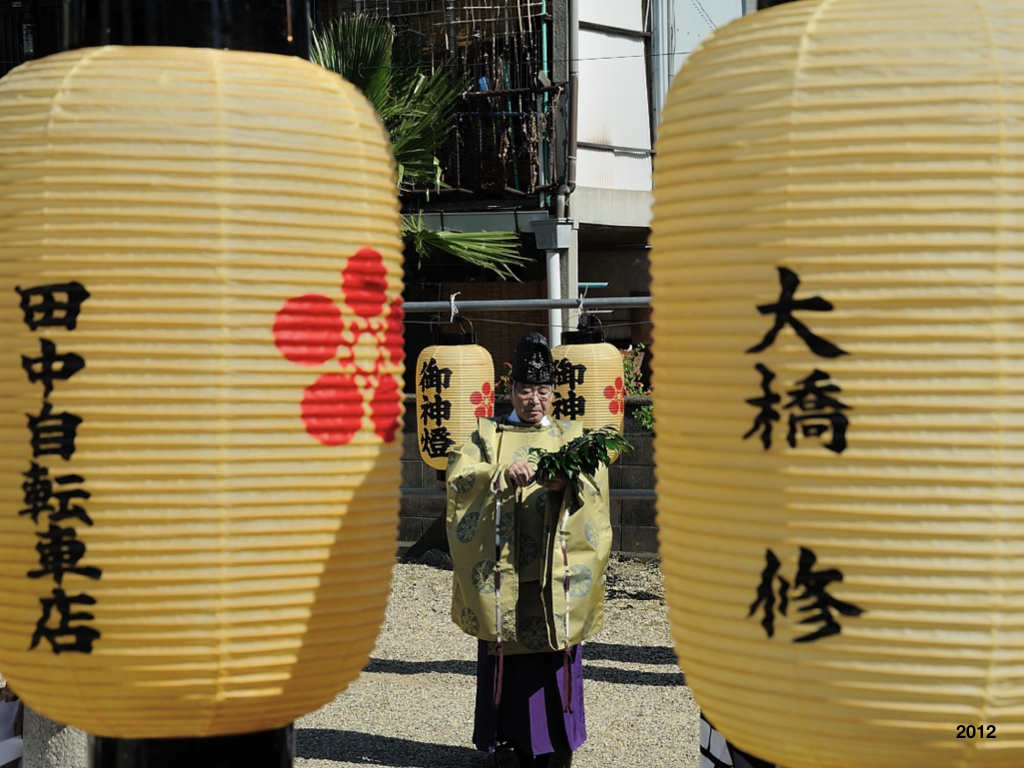
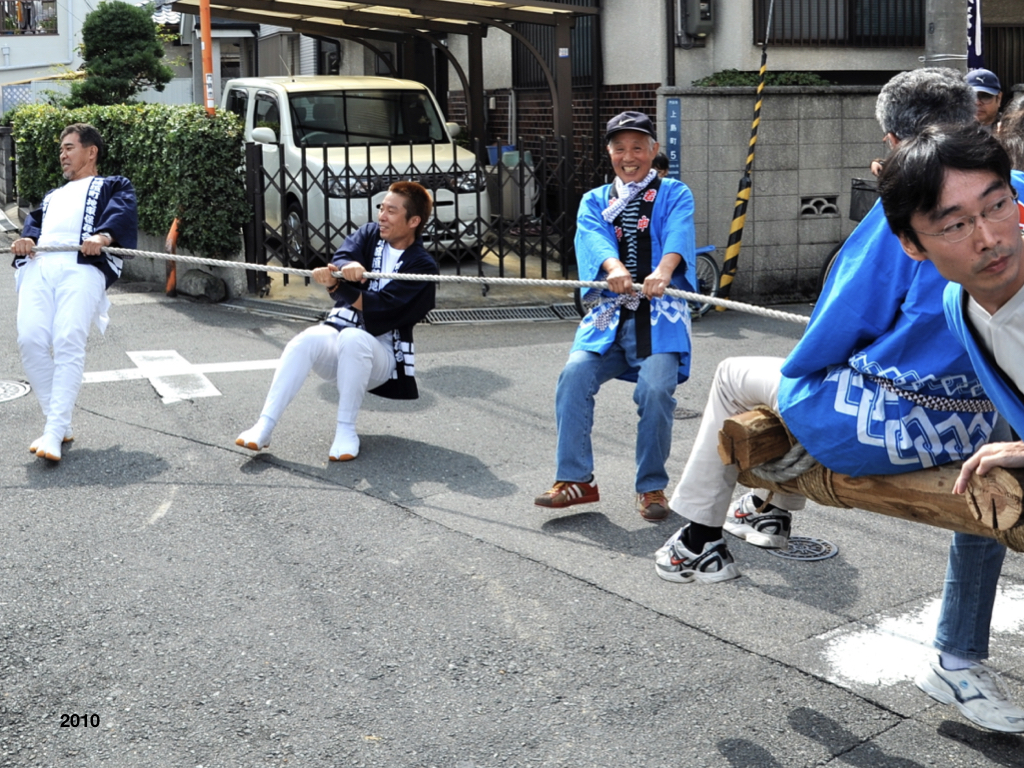
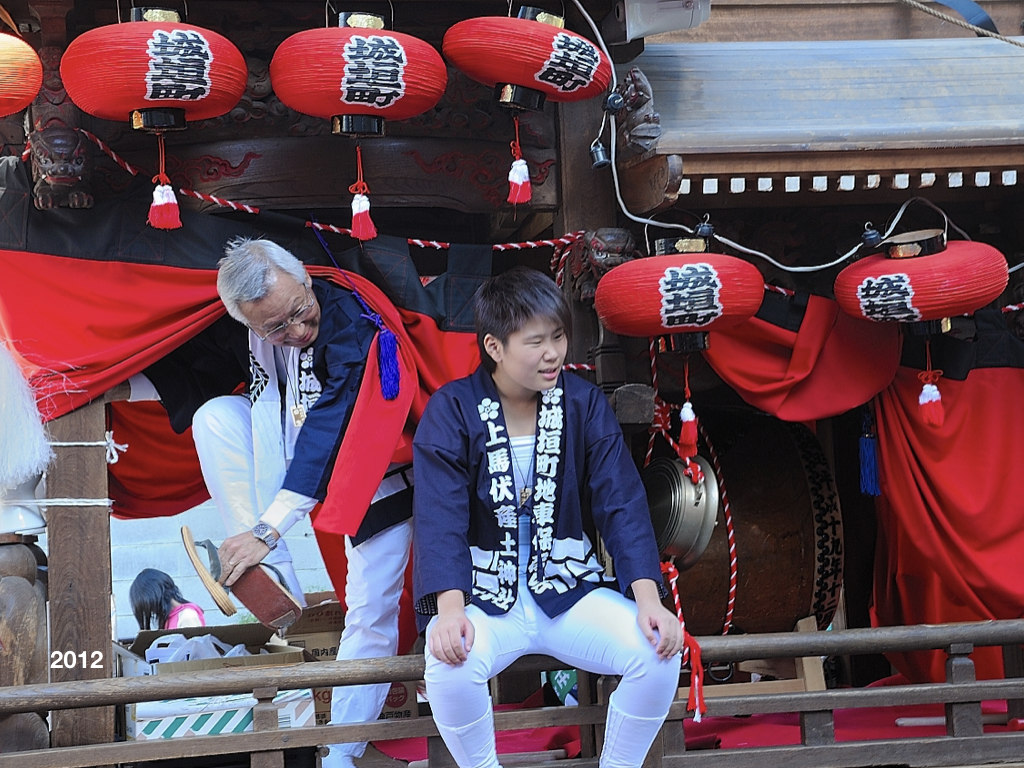
All you need to know about the fall festival through the years! SPECIAL MULTIMODAL BONUS RESOURCES AND PHOTOS FOR「Neighborhood Autumn Festival in Japan: A Multimodal Visual Ethnography and Performance: https://visualanthropologyofjapan.blogspot.com/2020/05/special-multimodal-bonus-resources-and.html
Friday, July 17, 2020
JAPAN CUTS 2020 Festival of New Japanese Film
JAPAN CUTS 2020
Festival of New Japanese Film
North America’s largest festival of contemporary Japanese cinema returns for its unprecedented 14th edition as an entirely online experience! Featuring a diverse slate of 30 features and 12 shorts—including studio blockbusters, independent productions, documentaries, restored classics, animation and avant-garde works—JAPAN CUTS 2020 offers 14 days of unique access to the best new films from Japan with filmmaker video introductions, live virtual Q&As and panel discussions for audiences across the entire United States.
Organized by K. F. Watanabe, Amber Noé and Joel Neville Anderson.
Founded in 2007, JAPAN CUTS is an annual film festival dedicated to screening the best of contemporary Japanese cinema. Organized by Japan Society in New York City, the festival presents an exclusive slate of premiere film screenings, free talk events, and access to guest filmmakers and stars through post-screening Q&As and parties. Since its inception, the festival has attracted over 60,000 filmgoers, screened over 350 films and invited over 100 guests from Japan and beyond.
July 17-30, 2020
URL: https://japancuts.japansociety.org/
Sunday, June 7, 2020
Film Screen and Discussion about "Distributed Multimodalities: Ethnographic experiments in Memory and Performance" at Visual Anthro-Film Laboratory
You have another chance to see the film and hear about the project! (announcement from Anthro-Film Laboratory)
Film Screen and Discussion about "Distributed Multimodalities: Ethnographic experiments in Memory and Performance" (Zoom Meeting)
Date: 2020 June 20th 10:00~12:00 am. in Japanese time
※Request for participation is required by June 17th to tamagonotamago@gmail.com The Zoom link will be sent to participants. The number of participants will be limited to 30 people.
This session aims at discussing about the theme "Distributed Multimodalities: Ethnographic experiments in Memory and Performance", which originally took place as a panel of the International Biennial Online Conference Distribute 2020, organized by the Society for Cultural Anthropology (SCA) and the Society for Visual Anthropology (SVA). The 40 min. panel consists of 5 min. segmented presentations made by 8 anthropologists or performers/artists. By discussing this panel, we would like not only to deepen the understanding of the topic, but also to envision the future of multimodal panel presentations and ethnographic collective works.
For more details: http://www.itsushikawase.com/anthro-film_lab/news.html
For more info about the project: http://visualanthropologyofjapan.blogspot.com/2020/04/distributed-multimodalities.html
Saturday, May 9, 2020
Friday, May 8, 2020
SPECIAL MULTIMODAL BONUS RESOURCES AND PHOTOS FOR「Neighborhood Autumn Festival in Japan: A Multimodal Visual Ethnography and Performance」@ DISTRIBUTED MULTIMODALITIES @ DISTRIBUTE 2020
Click here for project abstract and background.
Scroll down to the end for 2020-2022 updates.
Segment I: Introduction
Previous VAOJ Fall Festival Photo Essays:
Really Late - Better Late Than Never - 2019 Neighborhood Fall Festival Shots From Sunday, 13 Oct. (Saturday was canceled due to a typhoon...) https://visualanthropologyofjapan.blogspot.com/2019/11/really-late-better-late-than-never-2019.html
もうすぐ「秋祭り」ですね... Getting ready to press the shutter and push the danjiri at the Fall Festival! https://visualanthropologyofjapan.blogspot.com/2019/10/getting-ready-to-press-shutter-and-push.html
「Visual Anthropology of Japan: Neighborhood Fall Festival」Presentation at AJJ 2019 Spring Workshop @ Minpaku: https://visualanthropologyofjapan.blogspot.com/2019/04/visual-anthropology-of-japan.html
2018 Fall Festival in Six Parts: 1) Pre-departure: https://visualanthropologyofjapan.blogspot.com/2018/11/2018-fall-festival-in-six-parts-1-pre.html
2018 Fall Festival in Six Parts: 2) Taking a break with another neighborhood association: https://visualanthropologyofjapan.blogspot.com/2018/11/2018-fall-festival-in-six-parts-2.html
2018 Fall festival in Six Parts: 3) Push-pulling the danjiri through the narrow streets: https://visualanthropologyofjapan.blogspot.com/2018/11/2018-fall-festival-in-six-parts-3-push.html
2018 Fall Festival in Six Parts: 4) Lunch break: https://visualanthropologyofjapan.blogspot.com/2018/11/2018-fall-festival-in-six-parts-4-lunch.html
2018 Fall Festival in Six Parts: 5) Celebration with another neighborhood association: https://visualanthropologyofjapan.blogspot.com/2018/11/2018-fall-festival-in-six-parts-5.html
2018 Fall Festival in Six Parts: 6) Post-matsuri and getting busted by the cops: https://visualanthropologyofjapan.blogspot.com/2018/11/2018-fall-festival-in-six-parts-6-post.html
2017 Fall Festival: https://visualanthropologyofjapan.blogspot.com/2017/10/2017-it-was-rainy-fall-festival-this.html
2016 Fall Festival: http://visualanthropologyofjapan.blogspot.jp/2016/10/2016-autumn-festival.html
2014 Fall Festival: http://visualanthropologyofjapan.blogspot.jp/2014/11/2014-fall-festival.html
2013 Fall Festival: http://visualanthropologyofjapan.blogspot.jp/2013/11/2013-fall-festival.html
2012 Fall Festival: http://visualanthropologyofjapan.blogspot.jp/2012/10/2012-fall-festival.html
2010 Local Matsuri in Classic Black & White: http://visualanthropologyofjapan.blogspot.jp/2010/11/local-matsuri-in-classic-black-white.html
2010 Local Matsuri In Living Color: http://visualanthropologyofjapan.blogspot.jp/2010/11/local-matsuri-in-living-color.html
Kadoma-shi and Danjiri
The area now known as Kadoma-shi has a long and rich history going back to the Jomon Period, Edo Period and of course more modern times.
Details from the Kadoma-shi web page: https://www.city.kadoma.osaka.jp/shisei/shokai/index.html
Danjiri festivals are popular and numerous not only in Kadoma-shi but all over Japan. These web pages have a lot in great photos that show an interesting diversity of celebrations:
https://blogs.yahoo.co.jp/danjiribayashi0
https://blogs.yahoo.co.jp/danjiribayashi0/48948748.html
http://www.danjirigoya.danjiri.info/tanig/dnjr/index.htm
http://danjirigoya.fan-site.net/dnjr2007/look13/kadoma/index5.html#1
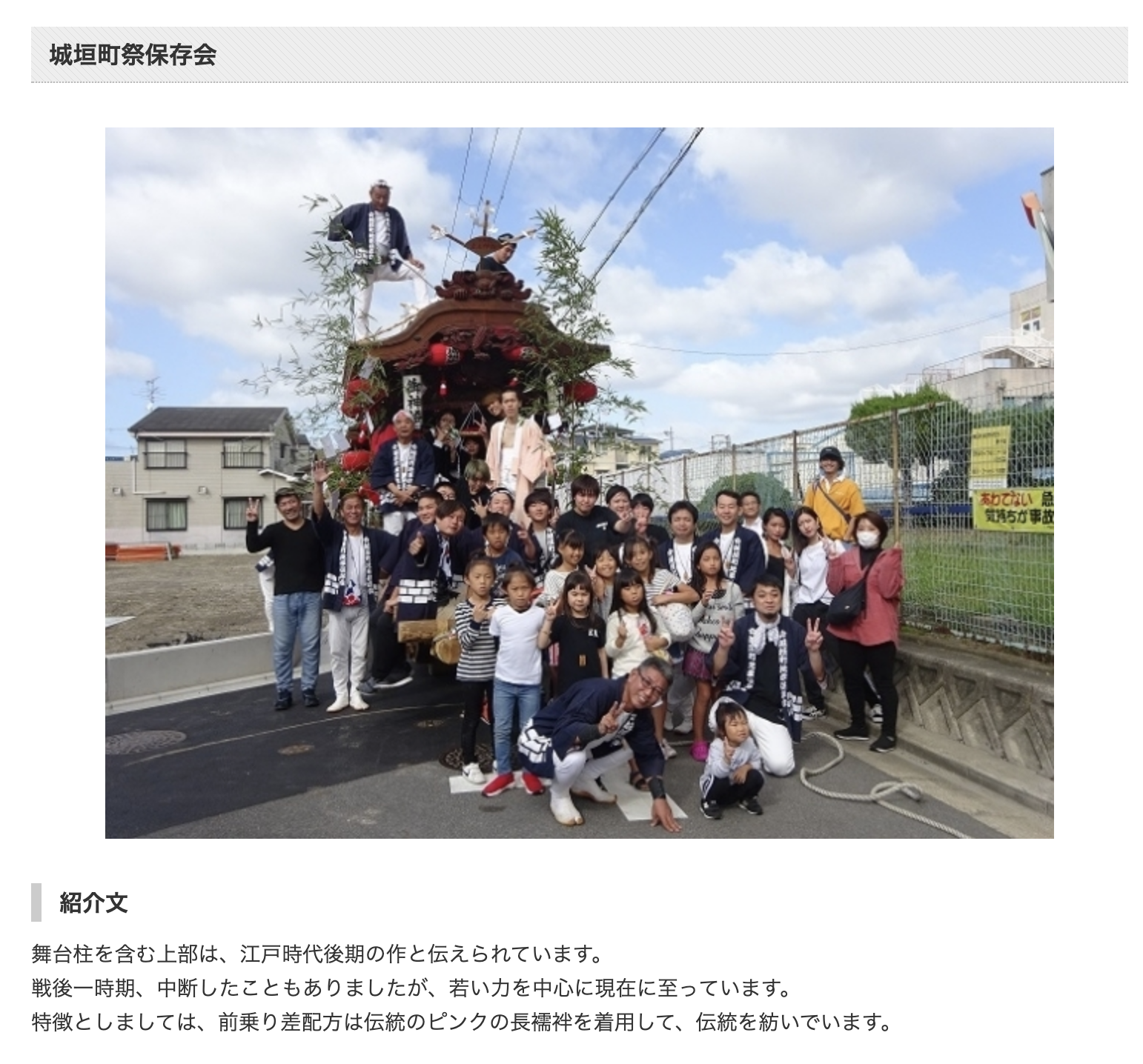
This site introduces neighborhood groups and danjiri in Kadoma-shi (scroll down to see Shirogaki-cho's danjiri 城垣町祭保存会):
http://kadoma.mypl.net/article/dentobunka_kadoma/28629
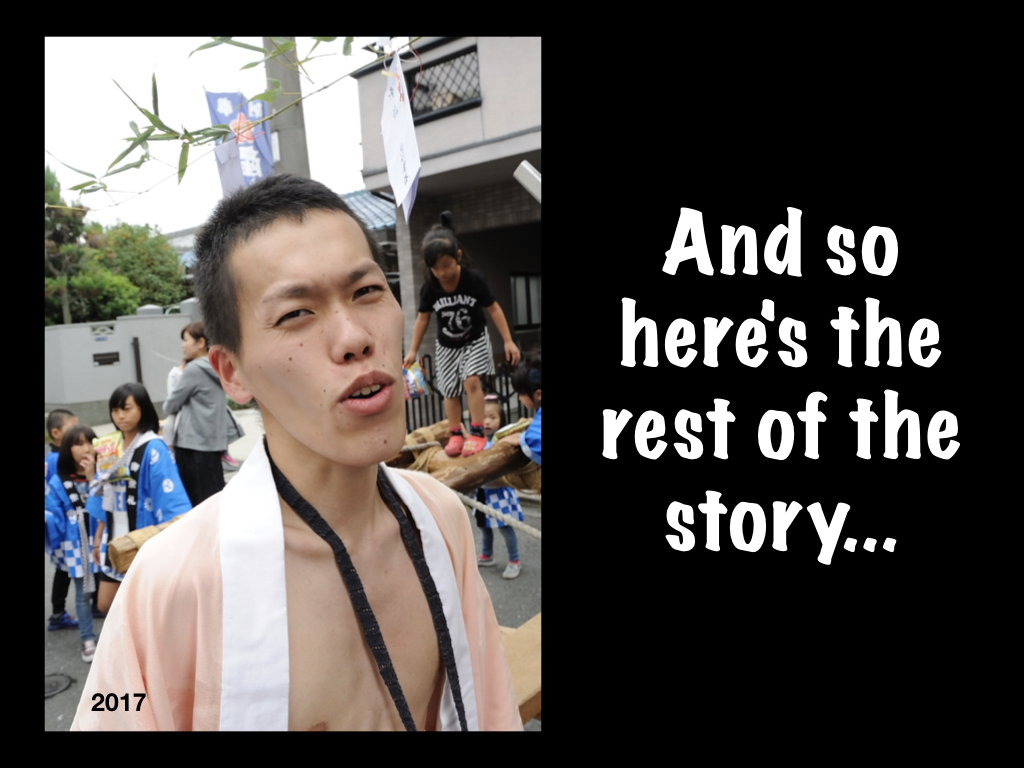
Rough translation of text: The upper part [of the danjiri], including the stage pillars, is said to have been made in the late Edo period... Although [the neighborhood festival] had been suspended for a while after the war, it is still centered around its young power... As a feature, the front rider is wearing a traditional pink long-sleeved robe.
Kadoma-shi gathers its danjiri together to celebrate the opening of a new expressway (this was before I began my research...).
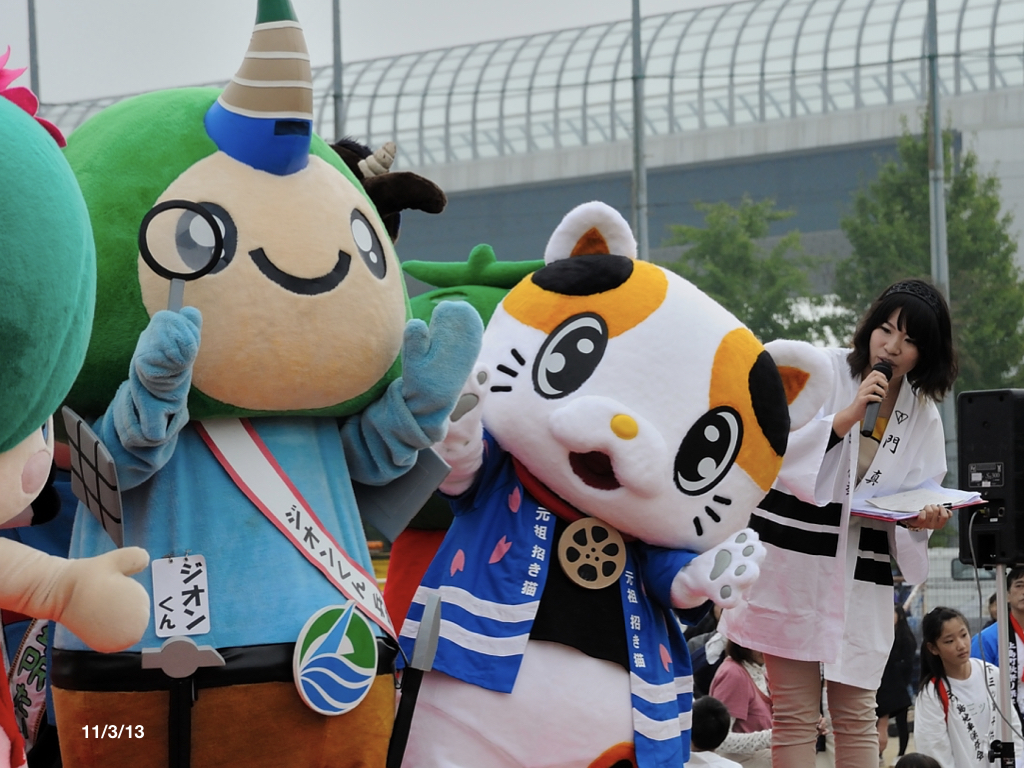
Kadoma-shi gathered its danjiri together to celebrate Culture Day (national holiday on November 3) in 2012 and 2013.
2012 Danjiri Culture Day Festival in Kadoma-shi https://visualanthropologyofjapan.blogspot.com/2012/10/2012-danjiri-culture-day-festival-in.html
2013 門真市地域伝統文化まつり (Kadoma-shi Neighborhood Traditional Culture Festival) https://visualanthropologyofjapan.blogspot.com/2013/11/2013-kadoma-shi-neighborhood.html
Kadoma-shi also gathered its danjiri together to celebrate the new emperor and new era.
令和の門真の発展を願ってだんじり・太鼓台パレード - Kadoma-shi New Reiwa Era Danjiri and Taiko Drum Parade (11/23/19). See The Reiwa Experience below.
Segment II: Day One
Segment III: Day Two Part 1
Segment IV: The Reiwa Experience
「令和の門真の発展を願ってだんじり・太鼓台パレード」--- Hope and Well Wishes for Kadoma-shi in the New Reiwa Era Danjiri and Taiko Drum Parade (11/23/19) - pt.1 https://visualanthropologyofjapan.blogspot.com/2019/11/hope-and-well-wishes-for-kadoma-shi-in.html
「令和の門真の発展を願ってだんじり・太鼓台パレード」--- Hope and Well Wishes for Kadoma-shi in the New Reiwa Era Danjiri and Taiko Drum Parade (11/23/19) - pt.2 - Preparations https://visualanthropologyofjapan.blogspot.com/2019/11/hope-and-well-wishes-for-kadoma-shi-in_29.html
「令和の門真の発展を願ってだんじり・太鼓台パレード」--- Hope and Well Wishes for Kadoma-shi in the New Reiwa Era Danjiri and Taiko Drum Parade (11/23/19) - pt.3 - Truckin' the Danjiri to the Parade https://visualanthropologyofjapan.blogspot.com/2019/11/hope-and-well-wishes-for-kadoma-shi-in_30.html
「令和の門真の発展を願ってだんじり・太鼓台パレード」--- Hope and Well Wishes for Kadoma-shi in the New Reiwa Era Danjiri and Taiko Drum Parade (11/23/19) - pt.4 - Gathering at the meeting place... And then they're off! https://visualanthropologyofjapan.blogspot.com/2019/12/hope-and-well-wishes-for-kadoma-shi-in.html
「令和の門真の発展を願ってだんじり・太鼓台パレード」--- Hope and Well Wishes for Kadoma-shi in the New Reiwa Era Danjiri and Taiko Drum Parade (11/23/19) - pt.5 - The Parade! https://visualanthropologyofjapan.blogspot.com/2019/12/hope-and-well-wishes-for-kadoma-shi-in_2.html
「令和の門真の発展を願ってだんじり・太鼓台パレード」--- Hope and Well Wishes for Kadoma-shi in the New Reiwa Era Danjiri and Taiko Drum Parade (11/23/19) - pt.6 - More Parade! https://visualanthropologyofjapan.blogspot.com/2019/12/hope-and-well-wishes-for-kadoma-shi-in_10.html
令和の門真の発展を願ってだんじり・太鼓台パレード」--- Hope and Well Wishes for Kadoma-shi in the New Reiwa Era Danjiri and Taiko Drum Parade (11/23/19) - pt.7 - The Performances https://visualanthropologyofjapan.blogspot.com/2019/12/hope-and-well-wishes-for-kadoma-shi-in_15.html
令和の門真の発展を願ってだんじり・太鼓台パレード」--- Hope and Well Wishes for Kadoma-shi in the New Reiwa Era Danjiri and Taiko Drum Parade (11/23/19) - pt.8 - The Finale: Battle! https://visualanthropologyofjapan.blogspot.com/2019/12/hope-and-well-wishes-for-kadoma-shi-in_16.html
令和の門真の発展を願ってだんじり・太鼓台パレード」--- Hope and Well Wishes for Kadoma-shi in the New Reiwa Era Danjiri and Taiko Drum Parade (11/23/19) - pt.9 - The Finale: Battle! Video as Raw Data https://visualanthropologyofjapan.blogspot.com/2019/12/hope-and-well-wishes-for-kadoma-shi-in_86.html
令和の門真の発展を願ってだんじり・太鼓台パレード」--- Hope and Well Wishes for Kadoma-shi in the New Reiwa Era Danjiri and Taiko Drum Parade (11/23/19) - pt.10 - Lest We Forget the Mochi Maki... https://visualanthropologyofjapan.blogspot.com/2019/12/hope-and-well-wishes-for-kadoma-shi-in_19.html
Segment V: Day Two Part 2
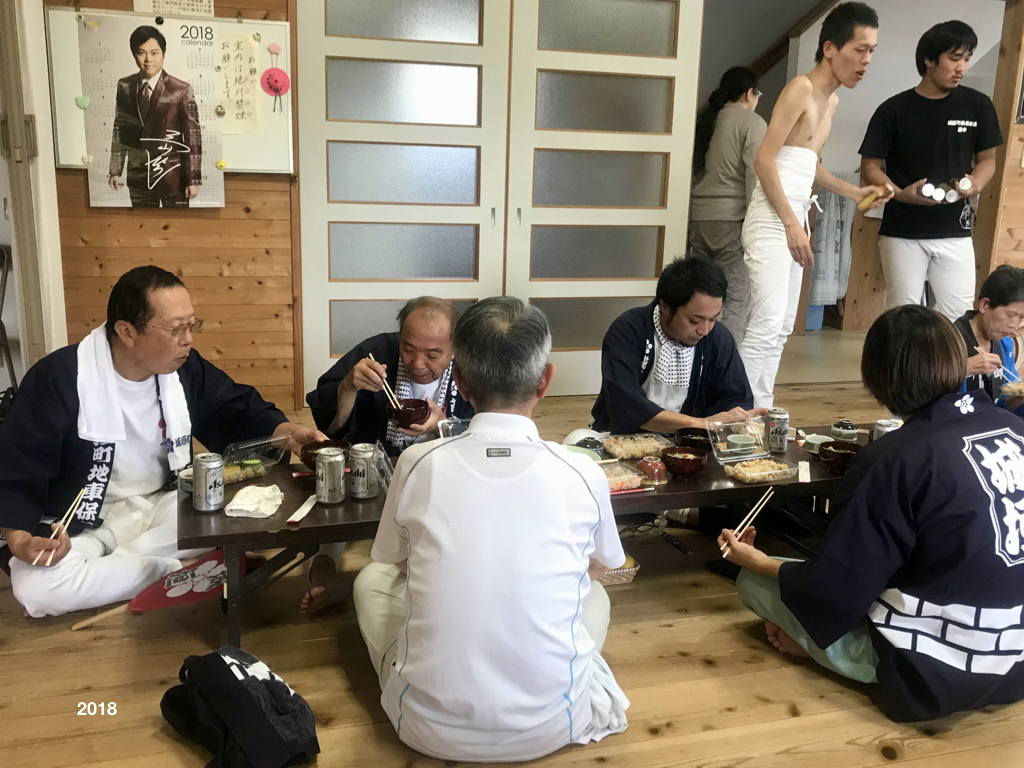
I was sitting, enjoying the delicious meat and chu-hai with my family and about 30 neighbors, appreciating their efforts over the last two days and the past several years I have been participating in the fall festival. I was thinking about these people getting up early Saturday morning to prepare the danjiri, push the beast through our neighborhood, returning to the shrine and preparing it for an evening festival of food, drinks and games for children and hosting special guests from other neighborhood associations before cleaning up the shrine grounds until late in the night. Then they got up early Sunday morning for another procession and events with other neighborhood groups. Technically they were parading the local kami (deity) from the shrine to bestow its blessings on the people of the parish but perhaps more importantly from an anthropological perspective they were spreading good will and friendship within our parish and with other neighborhood associations. Very respectful to say the least. I was also thinking what a shame it was that so few people participate in this important event. None of the people in the area around my house participate or even greet the shrine as it blesses their streets.
It was about 8:00 PM when I was thinking these thoughts. Then a young police officer showed up. Apparently somebody had complained about the noise from our celebration. This was not a loud and crazy party. It was a dinner party at our local shinto shrine - most of us had to work or go to school the next day. The police officer looked uncomfortable as he asked our community leaders to keep the noise level down. We were stunned and amused at the same time. And even more so when another (older) police officer came about 20 minutes later responding to the same complaint. I was able to snap a couple of pictures on my iPhone that shows the nervous/uncomfortable gestures of the police officer. We promised once again to keep it down and then ended our party 30 minutes later as scheduled.
It seems sad that few people participate and that one would even complain about perhaps the second most important shrine festival in our neighborhood (the most important the celebration on New Year's Eve that goes well past midnight). One worries about the traditional culture of Japan until they see the determination and efforts of my neighbors. See you next year!
Still to be continued...
UPDATES: Segment I: Introduction
Previous VAOJ Fall Festival Photo Essays:
Really Late - Better Late Than Never - 2019 Neighborhood Fall Festival Shots From Sunday, 13 Oct. (Saturday was canceled due to a typhoon...) https://visualanthropologyofjapan.blogspot.com/2019/11/really-late-better-late-than-never-2019.html
もうすぐ「秋祭り」ですね... Getting ready to press the shutter and push the danjiri at the Fall Festival! https://visualanthropologyofjapan.blogspot.com/2019/10/getting-ready-to-press-shutter-and-push.html
「Visual Anthropology of Japan: Neighborhood Fall Festival」Presentation at AJJ 2019 Spring Workshop @ Minpaku: https://visualanthropologyofjapan.blogspot.com/2019/04/visual-anthropology-of-japan.html
2018 Fall Festival in Six Parts: 1) Pre-departure: https://visualanthropologyofjapan.blogspot.com/2018/11/2018-fall-festival-in-six-parts-1-pre.html
2018 Fall Festival in Six Parts: 2) Taking a break with another neighborhood association: https://visualanthropologyofjapan.blogspot.com/2018/11/2018-fall-festival-in-six-parts-2.html
2018 Fall festival in Six Parts: 3) Push-pulling the danjiri through the narrow streets: https://visualanthropologyofjapan.blogspot.com/2018/11/2018-fall-festival-in-six-parts-3-push.html
2018 Fall Festival in Six Parts: 4) Lunch break: https://visualanthropologyofjapan.blogspot.com/2018/11/2018-fall-festival-in-six-parts-4-lunch.html
2018 Fall Festival in Six Parts: 5) Celebration with another neighborhood association: https://visualanthropologyofjapan.blogspot.com/2018/11/2018-fall-festival-in-six-parts-5.html
2018 Fall Festival in Six Parts: 6) Post-matsuri and getting busted by the cops: https://visualanthropologyofjapan.blogspot.com/2018/11/2018-fall-festival-in-six-parts-6-post.html
2017 Fall Festival: https://visualanthropologyofjapan.blogspot.com/2017/10/2017-it-was-rainy-fall-festival-this.html
2016 Fall Festival: http://visualanthropologyofjapan.blogspot.jp/2016/10/2016-autumn-festival.html
2014 Fall Festival: http://visualanthropologyofjapan.blogspot.jp/2014/11/2014-fall-festival.html
2013 Fall Festival: http://visualanthropologyofjapan.blogspot.jp/2013/11/2013-fall-festival.html
2012 Fall Festival: http://visualanthropologyofjapan.blogspot.jp/2012/10/2012-fall-festival.html
2010 Local Matsuri in Classic Black & White: http://visualanthropologyofjapan.blogspot.jp/2010/11/local-matsuri-in-classic-black-white.html
2010 Local Matsuri In Living Color: http://visualanthropologyofjapan.blogspot.jp/2010/11/local-matsuri-in-living-color.html
Kadoma-shi and Danjiri
The area now known as Kadoma-shi has a long and rich history going back to the Jomon Period, Edo Period and of course more modern times.
Details from the Kadoma-shi web page: https://www.city.kadoma.osaka.jp/shisei/shokai/index.html
Danjiri festivals are popular and numerous not only in Kadoma-shi but all over Japan. These web pages have a lot in great photos that show an interesting diversity of celebrations:
https://blogs.yahoo.co.jp/danjiribayashi0
https://blogs.yahoo.co.jp/danjiribayashi0/48948748.html
http://www.danjirigoya.danjiri.info/tanig/dnjr/index.htm
http://danjirigoya.fan-site.net/dnjr2007/look13/kadoma/index5.html#1
This site introduces neighborhood groups and danjiri in Kadoma-shi (scroll down to see Shirogaki-cho's danjiri 城垣町祭保存会):
http://kadoma.mypl.net/article/dentobunka_kadoma/28629
Rough translation of text: The upper part [of the danjiri], including the stage pillars, is said to have been made in the late Edo period... Although [the neighborhood festival] had been suspended for a while after the war, it is still centered around its young power... As a feature, the front rider is wearing a traditional pink long-sleeved robe.
Kadoma-shi gathers its danjiri together to celebrate the opening of a new expressway (this was before I began my research...).
Kadoma-shi gathered its danjiri together to celebrate Culture Day (national holiday on November 3) in 2012 and 2013.
2012 Danjiri Culture Day Festival in Kadoma-shi https://visualanthropologyofjapan.blogspot.com/2012/10/2012-danjiri-culture-day-festival-in.html
2013 門真市地域伝統文化まつり (Kadoma-shi Neighborhood Traditional Culture Festival) https://visualanthropologyofjapan.blogspot.com/2013/11/2013-kadoma-shi-neighborhood.html
Kadoma-shi also gathered its danjiri together to celebrate the new emperor and new era.
令和の門真の発展を願ってだんじり・太鼓台パレード - Kadoma-shi New Reiwa Era Danjiri and Taiko Drum Parade (11/23/19). See The Reiwa Experience below.
Segment II: Day One
Segment III: Day Two Part 1
Segment IV: The Reiwa Experience
「令和の門真の発展を願ってだんじり・太鼓台パレード」--- Hope and Well Wishes for Kadoma-shi in the New Reiwa Era Danjiri and Taiko Drum Parade (11/23/19) - pt.1 https://visualanthropologyofjapan.blogspot.com/2019/11/hope-and-well-wishes-for-kadoma-shi-in.html
「令和の門真の発展を願ってだんじり・太鼓台パレード」--- Hope and Well Wishes for Kadoma-shi in the New Reiwa Era Danjiri and Taiko Drum Parade (11/23/19) - pt.2 - Preparations https://visualanthropologyofjapan.blogspot.com/2019/11/hope-and-well-wishes-for-kadoma-shi-in_29.html
「令和の門真の発展を願ってだんじり・太鼓台パレード」--- Hope and Well Wishes for Kadoma-shi in the New Reiwa Era Danjiri and Taiko Drum Parade (11/23/19) - pt.3 - Truckin' the Danjiri to the Parade https://visualanthropologyofjapan.blogspot.com/2019/11/hope-and-well-wishes-for-kadoma-shi-in_30.html
「令和の門真の発展を願ってだんじり・太鼓台パレード」--- Hope and Well Wishes for Kadoma-shi in the New Reiwa Era Danjiri and Taiko Drum Parade (11/23/19) - pt.4 - Gathering at the meeting place... And then they're off! https://visualanthropologyofjapan.blogspot.com/2019/12/hope-and-well-wishes-for-kadoma-shi-in.html
「令和の門真の発展を願ってだんじり・太鼓台パレード」--- Hope and Well Wishes for Kadoma-shi in the New Reiwa Era Danjiri and Taiko Drum Parade (11/23/19) - pt.5 - The Parade! https://visualanthropologyofjapan.blogspot.com/2019/12/hope-and-well-wishes-for-kadoma-shi-in_2.html
「令和の門真の発展を願ってだんじり・太鼓台パレード」--- Hope and Well Wishes for Kadoma-shi in the New Reiwa Era Danjiri and Taiko Drum Parade (11/23/19) - pt.6 - More Parade! https://visualanthropologyofjapan.blogspot.com/2019/12/hope-and-well-wishes-for-kadoma-shi-in_10.html
令和の門真の発展を願ってだんじり・太鼓台パレード」--- Hope and Well Wishes for Kadoma-shi in the New Reiwa Era Danjiri and Taiko Drum Parade (11/23/19) - pt.7 - The Performances https://visualanthropologyofjapan.blogspot.com/2019/12/hope-and-well-wishes-for-kadoma-shi-in_15.html
令和の門真の発展を願ってだんじり・太鼓台パレード」--- Hope and Well Wishes for Kadoma-shi in the New Reiwa Era Danjiri and Taiko Drum Parade (11/23/19) - pt.8 - The Finale: Battle! https://visualanthropologyofjapan.blogspot.com/2019/12/hope-and-well-wishes-for-kadoma-shi-in_16.html
令和の門真の発展を願ってだんじり・太鼓台パレード」--- Hope and Well Wishes for Kadoma-shi in the New Reiwa Era Danjiri and Taiko Drum Parade (11/23/19) - pt.9 - The Finale: Battle! Video as Raw Data https://visualanthropologyofjapan.blogspot.com/2019/12/hope-and-well-wishes-for-kadoma-shi-in_86.html
令和の門真の発展を願ってだんじり・太鼓台パレード」--- Hope and Well Wishes for Kadoma-shi in the New Reiwa Era Danjiri and Taiko Drum Parade (11/23/19) - pt.10 - Lest We Forget the Mochi Maki... https://visualanthropologyofjapan.blogspot.com/2019/12/hope-and-well-wishes-for-kadoma-shi-in_19.html
Segment V: Day Two Part 2
I was sitting, enjoying the delicious meat and chu-hai with my family and about 30 neighbors, appreciating their efforts over the last two days and the past several years I have been participating in the fall festival. I was thinking about these people getting up early Saturday morning to prepare the danjiri, push the beast through our neighborhood, returning to the shrine and preparing it for an evening festival of food, drinks and games for children and hosting special guests from other neighborhood associations before cleaning up the shrine grounds until late in the night. Then they got up early Sunday morning for another procession and events with other neighborhood groups. Technically they were parading the local kami (deity) from the shrine to bestow its blessings on the people of the parish but perhaps more importantly from an anthropological perspective they were spreading good will and friendship within our parish and with other neighborhood associations. Very respectful to say the least. I was also thinking what a shame it was that so few people participate in this important event. None of the people in the area around my house participate or even greet the shrine as it blesses their streets.
It was about 8:00 PM when I was thinking these thoughts. Then a young police officer showed up. Apparently somebody had complained about the noise from our celebration. This was not a loud and crazy party. It was a dinner party at our local shinto shrine - most of us had to work or go to school the next day. The police officer looked uncomfortable as he asked our community leaders to keep the noise level down. We were stunned and amused at the same time. And even more so when another (older) police officer came about 20 minutes later responding to the same complaint. I was able to snap a couple of pictures on my iPhone that shows the nervous/uncomfortable gestures of the police officer. We promised once again to keep it down and then ended our party 30 minutes later as scheduled.
It seems sad that few people participate and that one would even complain about perhaps the second most important shrine festival in our neighborhood (the most important the celebration on New Year's Eve that goes well past midnight). One worries about the traditional culture of Japan until they see the determination and efforts of my neighbors. See you next year!
Still to be continued...
(2020) No Fall Festival this year - the danjiri remained locked in the shed - but a kagura dance was performed, attended by (in addition to the Shinto priest and dancers) 7 old men (the shrine board of directors), a visual anthropologist and his 7-year-old assistant
https://visualanthropologyofjapan.blogspot.com/2020/10/no-fall-festival-this-year-danjiri.html
(2021) 秋祭 / Fall Festival 2021 (pt.1): canceled again due to COVID-19, but a few of us got together in the morning to drag the danjiri out of storage and clean it for the the first time in two years; it was good to see my friends again and participate in other activities at the shrine in the afternoon (to be continued...)
https://visualanthropologyofjapan.blogspot.com/2021/10/fall-festival-2021-pt1-canceled-again.html
(2021) Transitions
https://visualanthropologyofjapan.blogspot.com/2021/10/transition.html
(2021) 秋祭 / Fall Festival 2021 (pt.2): canceled again due to COVID-19; the shrine elders gather in the afternoon for the yudate (boiling water purification) ceremony - raw video data and photographs
https://visualanthropologyofjapan.blogspot.com/2021/10/fall-festival-2021-pt2-canceled-again.html
(2022) Fall Festival - Day One
http://visualanthropologyofjapan.blogspot.com/2022/10/2022-fall-festival-day-one.html
(2022) Fall Festival - Day Two
http://visualanthropologyofjapan.blogspot.com/2022/10/2022-fall-festival-day-two.html
(2022) Fall Festival - I'm feeling like monochrome...
http://visualanthropologyofjapan.blogspot.com/2022/10/2022-fall-festival-im-feeling-like.html
https://visualanthropologyofjapan.blogspot.com/2020/10/no-fall-festival-this-year-danjiri.html
(2021) 秋祭 / Fall Festival 2021 (pt.1): canceled again due to COVID-19, but a few of us got together in the morning to drag the danjiri out of storage and clean it for the the first time in two years; it was good to see my friends again and participate in other activities at the shrine in the afternoon (to be continued...)
https://visualanthropologyofjapan.blogspot.com/2021/10/fall-festival-2021-pt1-canceled-again.html
(2021) Transitions
https://visualanthropologyofjapan.blogspot.com/2021/10/transition.html
(2021) 秋祭 / Fall Festival 2021 (pt.2): canceled again due to COVID-19; the shrine elders gather in the afternoon for the yudate (boiling water purification) ceremony - raw video data and photographs
https://visualanthropologyofjapan.blogspot.com/2021/10/fall-festival-2021-pt2-canceled-again.html
(2022) Fall Festival - Day One
http://visualanthropologyofjapan.blogspot.com/2022/10/2022-fall-festival-day-one.html
(2022) Fall Festival - Day Two
http://visualanthropologyofjapan.blogspot.com/2022/10/2022-fall-festival-day-two.html
(2022) Fall Festival - I'm feeling like monochrome...
http://visualanthropologyofjapan.blogspot.com/2022/10/2022-fall-festival-im-feeling-like.html
Subscribe to:
Posts (Atom)