

Showing posts with label Kyoto. Show all posts
Showing posts with label Kyoto. Show all posts
Thursday, November 20, 2025

Friday, April 11, 2025
Announcement: KG+ Photo Exhibition in Kyoto April 12 ~ May 11

“KG+ SELECT” is another exhibition, where 10 artists out of the participants of “KG+” are selected to exhibit their work by judges working at an international degree. KG+SELECT Award 2025 Winner is held between the selected 10 artists, with the winner given the invitation to exhibit their work in the official KYOTOGRAPHIE program next year in 2026.
For more information: https://kgplus.kyotographie.jp/
Saturday, February 17, 2024


Friday, February 16, 2024
The Photo Exhibition Has Ended... Thank you for your interest, support, coming to see our photos, talking with us, filling out our survey, sipping the sacred sake and eating the treats... If you couldn't come, or you want more, we will be presenting at the KGU IRI Forum on 2/22/24.

The 10th IRI Research Forum
第 10 回 IRI 言語・文化研究フォーラム
第 10 回 IRI 言語・文化研究フォーラム
日時 (Date and Time):2024 年 2 月 22 日(木) 10:30~16:30
会場 (Place):
関西外国語大学・中宮キャンパス ICC
Matsuri
「Through Multi-sighted Photographies」
祭り
「多視点からの写真を通して」
Steven C. Fedorowicz and Lucile Druet
スティーブン C. フェドロウィツとルシル ドルーエ
第3室/Room 3 (6312 教室), 10:50 – 11:30
関西外国語大学国際文化研究所
Kansai Gaidai University
Intercultural Research Institute
Friday, February 9, 2024
明日から写真展始まります! Photo Exhibition Starts Tomorrow!

Matsuri
「Through Multi-sighted Photographies」
A Photo Exhibition by Lucile Druet and Steven C. Fedorowicz
A Photo Exhibition by Lucile Druet and Steven C. Fedorowicz
祭り
「多視点からの写真を通して」
ルシル ドルーエとスティーブン C. フェドロウィツによる写真展
ルシル ドルーエとスティーブン C. フェドロウィツによる写真展
2024 February 10 (Sat) ~ 13 (Tues)
2024年2月10日(土) ~ 13日(火)
11:00 - 18:00
(last day / 最終日は 11:00 - 16:00)
JARFO Art Square
Kyoto, Japan
Gallery Info: https://jarfo.jp/jarfo
Accessibility/barrier-free information: http://visualanthropologyofjapan.blogspot.com/2024/02/matsuri-photo-exhibition-accessibility.html
This project is a collaboration that explores Japanese matsuri through the intersections of social science research and visual representation. Fedorowicz’s field sites are autumn danjiri festivals in his own neighborhood in Osaka. His research-based art is long-term, community-based, participatory, reflexive and informed by sensory ethnography and multimodality. Druet’s field sites are Kyoto’s Gion Matsuri and Jidai Matsuri. Her art-based research examines vernacular photography, spectacle, iconicity and the performative presence of the Kyoto geisha as dancers and models. Meshing their visions and what they captured together, the photographers want the images they took in these clearly separate loci to be features in a duo exhibition, juxtaposing 40 photos of the Kyoto and Osaka matsuri they engaged in with their cameras and embodied positions as researchers. The photographers hope that the visitors to this exhibition will participate in the research by supplying ideas and opinions through surveys, interview and informal discussions.
このプロジェクトは、社会科学研究とビジュアル表現の交わり (intersections) を通して日本の祭りを探求する共同プロジェクトである。 フェドロウィツの研究対象は、彼が住む大阪の秋のだんじり祭りで、彼のリサーチに基づくアートは、長期的、地域密着型、参加型、再帰的で、感覚エスノグラフィーとマルチモダリティの影響を受けている。一方、ドルーエの研究対象は、京都で最も祇園祭と時代祭である。彼女の芸術をベースとした研究では、ヴァナキュラー写真、壮観、アイコン性、そして、ダンサー・モデルとしての京都芸者のパフォーマティブな存在について考察している。自分たちのそれぞれのビジョンとカメラで撮影したものを融合させることで、明らかに別々の場所で撮影した写真を、今回の「デュオ展」の目玉として、京都・大阪で撮りためた写真40枚を展示する。来場者にはアンケートやインタビュー、非公式なディスカッションを通じて、アイデアや意見を共有してほしい。
Lucile Druet is Associate Professor of Japanese Arts and Culture at Kansai Gaidai University, Osaka. Her teaching covers literature, painting traditions, theatrical performances, film and Japanese fashion. Interested in the visual and aesthetical intersection of clothing and embodiment, she researches how kimono is practiced nowadays in Kyoto and how it appears in works of fiction and poetry. See more of her photographic work at: https://somosomo.co
Steven C. Fedorowicz is a cultural anthropologist, visual anthropologist and Associate Professor of Anthropology in the Asian Studies Program at Kansai Gaidai University in Osaka. He has lived in Japan for over 25 years. His research interests include deaf communities, sign language, religion, ritual, performance, B-kyu gourmet, drinking establishments and ethnographic photography. See more of his work at: https://visualanthropologyofjapan.blogspot.com/
ルシル ドルーエは、大阪にある関西外国語大学の日本芸術文化准教授。文学、絵画の伝統、演劇、映画、日本のファッション等、多岐にわたって教鞭をとっている。衣服と体現の視覚的、美的交差に興味を持ち、現在京都でどのように着物が着られているのか、小説や詩の中で着物がどのように表現されるのか、研究を重ねている。ドルーエの写真作品は下記のサイトで閲覧可能である: https://somosomo.co
スティーブン C. フェドロウィツは、文化人類学者、ビジュアル人類学者であり、彼もまた大阪にある関西外国語大学留学生別科の准教授でもある。日本に住んで25年、研究テーマは多岐にわたり、ろう者コミュニティ、手話、宗教、儀式、パフォーマンス、B級グルメ、飲み屋、民族写真などが含まれる。フェドロウィツの作品は下記のサイト閲覧可能である: https://visualanthropologyofjapan.blogspot.com/


Wednesday, January 31, 2024
「Matsuri」 Photo Exhibition Accessibility and Barrier-free Information 「祭り」 写真展 アクセシビリティ・バリアフリーについて

Matsuri
「Through Multi-sighted Photographies」
祭り
「多視点からの写真を通して」
2024 February 10 (Sat) ~ 13 (Tues)
2024年2月10日(土) ~ 13日(火)
11:00 - 18:00
(last day / 最終日は 11:00 - 16:00)
JARFO Art Square
Kyoto, Japan
Gallery Info: https://jarfo.jp/jarfo
See the promo flyer: http://visualanthropologyofjapan.blogspot.com/2024/01/matsuri-photo-exhibition.html
English (英語の後に日本語の案内が表示されます):
Where to go, how to get there, and what to expect along the way...
JARFO Art Square
Higashiyama-ku, Furukawachō 545
605-0026 Kyōto

Kyoto Tozai Line stations are largely accessible and wheelchair-friendly, with elevators, narrow gaps between platform and train, and no height differences at places like restrooms. At Higashiyama Station, take Exit 2. There are elevators and barrier-free restrooms inside the station available near Exit 2.


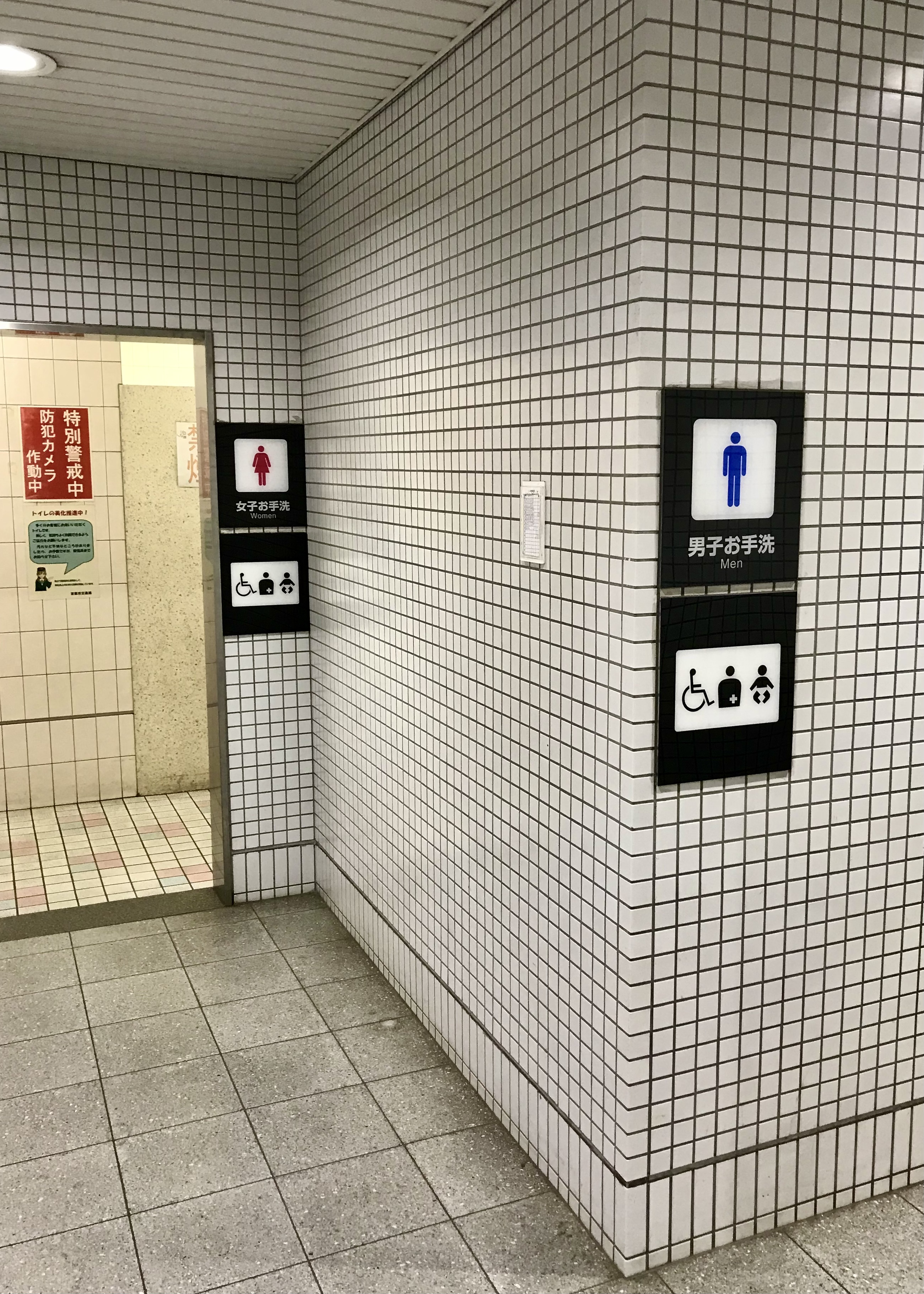


Keihan Sanjo Station has elevators and a barrier-free restroom on the ticket gate level near the central exit (on the Osaka-bound side).


The photos will be A3 size color prints.
Available languages: Japanese, Japanese Sign Language (日本手話), English, French
日本語 (English directions are above):
どこに行くか、どうやってそこに行くか、そして途中で何を期待するか...
JARFO Art Square
〒605-0026
京都府京都市東山区古川町545
京都東西線の駅は、エレベーターの設置、ホームと電車の隙間が狭い、トイレの高低差がないなど、バリアフリーで車椅子でも利用しやすい駅となっています。 東山駅2番出口を出てください。 駅構内2番出口付近にエレベーターとバリアフリートイレがあります。

京阪三条駅は中央口(大阪方面)付近の改札階にエレベーターとバリアフリートイレがあります。
写真はA3サイズのカラープリントとなります。
対応言語:日本語、日本手話、英語、フランス語
Monday, January 29, 2024
Wired! Walking to the printer's shop on a crisp sunny day to pick up our photo panels...


Matsuri
「Through Multi-sighted Photographies」
祭り
「多視点からの写真を通して」
2024 February 10 (Sat) ~ 13 (Tues)
2024年2月10日(土) ~ 13日(火)
11:00 - 18:00
(last day / 最終日は 11:00 - 16:00)
JARFO Art Square
Kyoto, Japan
Gallery Info: https://jarfo.jp/jarfo
See the promo flyer: http://visualanthropologyofjapan.blogspot.com/2024/01/matsuri-photo-exhibition.html
Saturday, January 27, 2024
Only 2 Weeks Until... / まであと2週間…
Photo Exhibition 写真展

Matsuri
「Through Multi-sighted Photographies」
祭り
「多視点からの写真を通して」
2024 February 10 (Sat) ~ 13 (Tues)
2024年2月10日(土) ~ 13日(火)
11:00 - 18:00
(last day / 最終日は 11:00 - 16:00)
JARFO Art Square
Kyoto, Japan
Gallery Info: https://jarfo.jp/jarfo
See the promo flyer: http://visualanthropologyofjapan.blogspot.com/2024/01/matsuri-photo-exhibition.html
Wednesday, January 17, 2024
祭り Matsuri
Photo Exhibition 写真展
Matsuri
「Through Multi-sighted Photographies」
「Through Multi-sighted Photographies」
祭り
「多視点からの写真を通して」
「多視点からの写真を通して」


2024 February 10 (Sat) ~ 13 (Tues)
2024年2月10日(土) ~ 13日(火)
JARFO Art Square
Kyoto, Japan
Gallery Info: https://jarfo.jp/jarfo
Link to accessibility/barrier-free information: https://visualanthropologyofjapan.blogspot.com/2024/02/matsuri-photo-exhibition-accessibility.html
This project is a collaboration that explores Japanese matsuri through the intersections of social science research and visual representation. Fedorowicz’s field sites are autumn danjiri festivals in his own neighborhood in Osaka. His research-based art is long-term, community-based, participatory, reflexive and informed by sensory ethnography and multimodality. Druet’s field sites are Kyoto’s Gion Matsuri and Jidai Matsuri. Her art-based research examines vernacular photography, spectacle, iconicity and the performative presence of the Kyoto geisha as dancers and models. Meshing their visions and what they captured together, the photographers want the images they took in these clearly separate loci to be features in a duo exhibition, juxtaposing 40 photos of the Kyoto and Osaka matsuri they engaged in with their cameras and embodied positions as researchers. The photographers hope that the visitors to this exhibition will participate in the research by supplying ideas and opinions through surveys, interview and informal discussions.
このプロジェクトは、社会科学研究とビジュアル表現の交わり (intersections) を通して日本の祭りを探求する共同プロジェクトである。 フェドロウィツの研究対象は、彼が住む大阪の秋のだんじり祭りで、彼のリサーチに基づくアートは、長期的、地域密着型、参加型、再帰的で、感覚エスノグラフィーとマルチモダリティの影響を受けている。一方、ドルーエの研究対象は、京都で最も祇園祭と時代祭である。彼女の芸術をベースとした研究では、ヴァナキュラー写真、壮観、アイコン性、そして、ダンサー・モデルとしての京都芸者のパフォーマティブな存在について考察している。自分たちのそれぞれのビジョンとカメラで撮影したものを融合させることで、明らかに別々の場所で撮影した写真を、今回の「デュオ展」の目玉として、京都・大阪で撮りためた写真40枚を展示する。来場者にはアンケートやインタビュー、非公式なディスカッションを通じて、アイデアや意見を共有してほしい。
Lucile Druet is Associate Professor of Japanese Arts and Culture at Kansai Gaidai University, Osaka. Her teaching covers literature, painting traditions, theatrical performances, film and Japanese fashion. Interested in the visual and aesthetical intersection of clothing and embodiment, she researches how kimono is practiced nowadays in Kyoto and how it appears in works of fiction and poetry. See more of her photographic work at: https://somosomo.co
Steven C. Fedorowicz is a cultural anthropologist, visual anthropologist and Associate Professor of Anthropology in the Asian Studies Program at Kansai Gaidai University in Osaka. He has lived in Japan for over 25 years. His research interests include deaf communities, sign language, religion, ritual, performance, B-kyu gourmet, drinking establishments and ethnographic photography. See more of his work at: https://visualanthropologyofjapan.blogspot.com/
ルシル ドルーエは、大阪にある関西外国語大学の日本芸術文化准教授。文学、絵画の伝統、演劇、映画、日本のファッション等、多岐にわたって教鞭をとっている。衣服と体現の視覚的、美的交差に興味を持ち、現在京都でどのように着物が着られているのか、小説や詩の中で着物がどのように表現されるのか、研究を重ねている。ドルーエの写真作品は下記のサイトで閲覧可能である: https://somosomo.co
スティーブン C. フェドロウィツは、文化人類学者、ビジュアル人類学者であり、彼もまた大阪にある関西外国語大学留学生別科の准教授でもある。日本に住んで25年、研究テーマは多岐にわたり、ろう者コミュニティ、手話、宗教、儀式、パフォーマンス、B級グルメ、飲み屋、民族写真などが含まれる。フェドロウィツの作品は下記のサイト閲覧可能である: https://visualanthropologyofjapan.blogspot.com/
Sunday, February 21, 2021
"Kyoto slammed for manga telling people not to talk at restaurants" - SAVE THE WORLD! LEARN SIGN LANGUAGE!

Ever since the pandemic began, Japan has been targeting restaurants as one of the primary risk spots for infection, with the main reason being that people inevitably have to remove their masks to eat.
And while some local governments have been asking restaurants to close their doors early at 8 p.m., to prevent diners from overdoing it on booze which tends to lead to loud talking without masks, the coronavirus doesn’t just come out at night, so people are now being asked to practice mokushoku, or “silent eating”, no matter what time they eat out at a restaurant.
While this seems to make sense, seeing as COVID-19 is an airborne virus, some people have been pushing back against the idea, even in Kyoto, where the city has now introduced a four-panel manga to help promote silent eating.
1. In the first panel, a character called Isamu enters a ramen restaurant and notices it’s quiet inside, even though a family is eating there. On the wall beside them is a blue poster, with mokushoku written on it in kanji, which asks people to eat in silence. These blue posters are being used a lot these days in restaurants and they’ve been widely shared on social media.
2. While Isamu waits for his order to arrive, he sees the family communicating to each other via smiles and hand gestures to express their thoughts on how good the meal is. Two of them give each other the thumbs-up sign while the other family member puts their hands above their head to form a maru circle, a gesture used to mean “good” in Japan. Isamu thinks to himself, “So this must be silent eating. This is great!”
3. When Isamu eats his ramen, he follows the example shown to him by the family, giving the staff a thumbs up while thinking “It’s delicious!” The staff smile in return and he feels that the meal enjoyed silently is really tasty.
4. Isamu sees the family leave the restaurant and it’s only then, when they’re outside with their masks covering their faces that they talk to each other, saying that the meal was delicious and they’d like to come back again. This last panel encourages everyone to “Do what you can when you can, bit by bit”.
The panel makes things pretty straightforward, laying out step-by-step alternatives to speaking for anyone confused by what mokushoku means, and Kyoto is keen for everyone to follow these guidelines when dining out.
However, what sounds good in theory might not be so great in practice, as a surprisingly large number of people were quick to criticize the idea online...
Source: https://japantoday.com/category/national/kyoto-slammed-for-manga-telling-people-not-to-talk-at-restaurants
Sunday, September 6, 2015
"京都のあきまへん ~AKIMAHEN of Kyoto~" // Manners for Tourists in Japan

Article from Japan Today, 9/6/15:
Kyoto creates infographic to show tourists how to visit politely
With thousands of temples, beautiful gardens, geisha and maiko (geisha-in-training), and more history than you can shake an encyclopedia at, Kyoto is the place to be when visiting Japan. So with so many tourists from around the world crowding into the city, a few are bound to step out of line.
Thankfully TripAdvisor Japan created a handy infographic showing how to politely visit Kyoto. Kyotoites are understandably protective of their city and its cultural and historical treasures, and some will not hesitate to correct you if you’re doing something rude or wrong. So to be sure that everyone is on the same page, here are a few simple rules to keep in mind when you visit this wonderful city.
A lot of the rules are simply covering the basics, such as no smoking outside designated areas, not bringing your own food or drink into a restaurant, and not taking photos too close to the train tracks.
However there may be some others that surprise you. Each rule has an “akimahen” rating (“akimahen” meaning “don’t!” in Kyoto dialect) which goes on a scale of one disappointed face to three really angry faces. Here we go!
Don’t smoke or litter! The ancient kami (gods) are watching you!
Not smoking or littering is considered a common courtesy around the world, but with so many historical landmarks and UNESCO world heritage sites around, it is especially important to keep the great outdoors of Kyoto as fresh and clean as mother nature made it.
As far as tipping goes, it is usually frowned upon in all parts of Japan. But if you really want to let someone in Kyoto know that you appreciated their service, a simple okini (pronounced like “oaky knee” and meaning thank you in Kyoto dialect) would be a perfectly nice gesture.
Speaking from personal experience, if you are unable to ask an elaborately dressed maiko for a picture, snapping a quick photo in stealth mode from a respectful distance is also an option. But don’t blame us for any finger-wagging that may ensue.
Bicycle laws in Japan have become a lot more strict recently, especially in Kyoto where the streets are very narrow. It’s a very popular city to bicycle in, and they can’t have drunken cyclists leaving their bikes all over the place or there would be chaos.
Not standing in line in an orderly fashion and making chefs sad are problems that are increasingly cropping up in the news in Japan. It takes only a few incidents to ruin things for everybody, and no one likes the taste of chefs’ tears in their food, so let’s be courteous of other people, people.
Many buildings and artifacts in Kyoto are centuries, sometimes thousands of years, old, so it is very important to prolong their life as much as possible. Touching them or taking pictures with the flash on can damage artifacts, so it is essential to pay attention to all signage when sightseeing.
Removing your hat and sunglasses may seem strange at first, but this is one of the etiquette rules that isn’t about preservation, but making sure no one feels uncomfortable. Japan is just coming around on allowing hoodies up during the day, but sunglasses and hats are still signs of shady behavior and can make some people feel uneasy.
So what do you think? Do you agree with Kyoto’s rules of etiquette? Or does it make it seem like too uptight a place that you’d never want to visit?
Source: http://www.japantoday.com/category/lifestyle/view/kyoto-creates-infographic-to-show-tourists-how-to-visit-politely
I would disagree with the article in terms of taking stealth photos of maiko (or anybody/anything else). And removing hats and sunglasses in sacred places and/or when praying isn't so hard to understand (it's not about whether or not Japanese people are uncomfortable about hats and sunglasses!) - would you wear a hat or sunglasses in a church? Looking at the original poster, a lot of the "rules" seem to be "common sense" about being polite in public in Kyoto. I think the photo etiquette warnings are useful. Perhaps tourists without much knowledge of Japanese culture might appreciate such advice, especially regarding broken rules that could end up with fines. But many of the comments by readers at the Japan Today article seemed (overly?) offended by the poster. Check out their comments.
Trip Adviser Japan webpage: http://tg.tripadvisor.jp/news/graphic/kyototourism2/
Tuesday, May 27, 2014
"Mobile-fixated girls easy prey for photo-snapping pervs"
From The Japan Times, May 25, 2014:
by Eric Johnston
With more than 167,000 students studying at 49 universities, junior colleges and technical schools, and with large numbers of high school students visiting on trips, it’s no surprise that Kyoto Prefecture can feel like a giant campus.
Downtown Kyoto and neighborhoods near major universities draw huge numbers of young men and women out for a good time, while train and bus stations disgorge teenagers and young adults, sometimes chattering, sometimes sleepy, on their way to or from class or a sightseeing spot with classmates. But as Kyoto police have warned, it’s teenagers who are most at risk from perverts with a camera.
The Kyoto Prefectural Police said 51 percent of the victims of illicit photography reported last year were their teens. In 38 percent of the cases, they were photographed on commercial premises, especially shopping malls, while 35 percent were snapped in train and bus stations.
In 57 percent of the cases, the alleged perpetrators were charged with illegally taking photos with smartphones. A further 20 percent used regular cell phones and 13 percent used digital cameras.
Just over two-thirds of the accused perpetrators were in their 20s and 30s, while one in five was over 40. Only eight percent of the perpetrators were 50 or older.
Prefectural governments and police departments, including Kyoto, suggest practical steps high school or college-aged females can take to minimize the chance of becoming an unwitting victim of a pervert with a camera. These include pressing down their skirts when on elevators and staircases, but also being more aware of their surroundings while shopping or using their smartphone while standing.
It’s advice so simple some might think it a waste of government time and money to be posting on official government websites. However, a March survey of more than 1,200 teenagers and parents by Digital Arts, a Tokyo-based IT security firm, showed 95 percent of high school girls had mobile devices, and that nearly 30 percent of all high school students were using them between three and six hours a day, checking e-mail, sending text messages, playing games, and so absorbed that they are unaware of their surroundings or what other shoppers, passengers, or people walking or standing behind them might be doing with a smart phone camera.
Source: http://www.japantimes.co.jp/news/2014/05/25/national/mobile-fixated-girls-easy-prey-for-photo-snapping-pervs/#.U4NlNS9ZG2x
"Kyoto law puts ‘upskirt’ photography in focus"
From The Japan Times, May 25, 2014:
Penalty for illicit snaps upped to ¥1 million fine or a year in prison
by Eric Johnston
Each spring, Kyoto is at its busiest. The cherry blossoms bring in multitudes of tourists, and the start of the new academic year means not only thousands of local students returning to the classroom, but also busloads of junior high and high school students from around the country arriving at hotels and taking the obligatory tour of Kyoto’s historical and cultural landmarks.
At this time in particular, no visitor can fail to escape the clicking of cameras. Be they the semi-professional photographer, with his Canon EOS ID X, Nest Traveller NT-6294AK tripod and telephoto lens longer than your arm, posed on the banks of the Kamo River waiting for the right mix of light and shadow, or the hordes of tourists prowling the backstreets of Gion with their iPhone cameras, searching for Kyoto “geiko” or, really, anything “Kyotoesque” to quickly snap to prove they were there. Everybody is a shutterbug.
But in recent years, the Kyoto police have warned, another kind of photography has become a public nuisance: “Upskirting.”
Surreptitious filming or taking of pictures up the skirts of high school females has long made headlines throughout Japan. A whole subgenre of magazines exists for Peeping Toms who earn their living by taking photos on the sly, while the Internet has created unprecedented opportunities for getting photos and video out to the peeping public.
In an attempt to crack down on sleazy photographers, Kyoto Prefecture has revised an ordinance that expands the scope of protection. Ordinances forbidding covert filming do exist for public places such as shopping centers, railway stations, trains and buses, which fall under the definition of public buildings and transport systems.
The problem, however, is that their scope has traditionally been limited, tying the hands of local governments in preventing perverts from shooting illicit pictures or video, while the punishments have been deemed by police and legal experts as often insufficient to deter perpetrators even if they do get caught.
In October 2012, a male teacher at a Kyoto city junior high school was caught taking pictures under girls’ skirts. Kyoto police could not make an arrest for illegally filming and had to arrest him on another charge. But the incident sparked local interest in expanding the definition of the ordinance, which had been limited to “public places and transport.”
Expanding the definition beyond “public places,” it had long been felt, ran the risk of violating Article 35 of the Constitution, which states that “the right of all persons to be secure in their homes, papers and effects against entries, searches and seizures shall not be impaired.”
But police and law enforcement authorities had long complained that “public places” meant limited protection in quasi-public areas.
A Kyoto prefectural survey last year of 1,700 people said 63 percent did not know that schools and private workplaces fall outside the definition of a “public place”. A total of 89 percent favored extending the reach of the ordinance.
The newly revised ordinance, approved by the assembly in March, now forbids surreptitious filming at “places likely to come under the public eye.”
This means public schools, workplaces, and hospitals are now included in places forbidding such filming or photography. In addition, the revision strengthens the penalty for hidden cameras used at public hot spring bathing areas, changing rooms, and public toilets.
Moreover, in an effort to discourage illicit photographers everywhere, it creates stricter penalties for those who are caught doing all surreptitious filming.
Previously, punishment was up to six months in jail or a ¥500,000 fine. The new penalty is up to one year in prison or a fine of up to ¥1 million.
The change in Kyoto has drawn interest from other local governments. Ishikawa Prefecture plans to propose similar revisions at next month’s assembly, and other governments in the Kansai region have contacted Kyoto Prefecture expressing an interest in adopting something similar.
“It’s not just Kyoto. Other prefectures also think that their ordinances are insufficient. Twenty-seven prefectures are now considering similar revisions,” said Tokyo-based lawyer Hiromasa Hasegawa in a recent blog on Kyoto’s revisions.
The revision also comes amidst growing concern in Kyoto about crime in general, and violent crimes that may result from taking illicit photos or video, in particular.
A separate prefectural survey on safety conducted last year showed that fears of home break-ins accounted for the largest share of concern, with 58.4 percent of the 1,957 residents surveyed in June 2013 saying this is what they feared most. However, some 23 percent said that being filmed illicitly was also on their minds, reflecting increased awareness in Kyoto of the problem.
In 2008, Kyoto police sent 32 incidents of illegal filming to the prosecutors, but that figure had increased to 84 cases by 2013. With the new revisions now in place, however, Kyoto has stronger weapons to go after those who would use their cameras for illicit purposes.
Source: http://www.japantimes.co.jp/news/2014/05/25/national/kyoto-law-puts-upskirt-photography-focus/#.U4NlOS9ZG2x
Monday, December 20, 2010
Arashiyama Light Up 2010

Good things come in threes here in Japan and one of the top three light up events in the Kansai area around Christmas time is Kyoto Arashiyama Hanatouro. Bamboo groves and bridges and everything in between is lit up drawing huge crowds to enjoy the scene and take lots of photographs.


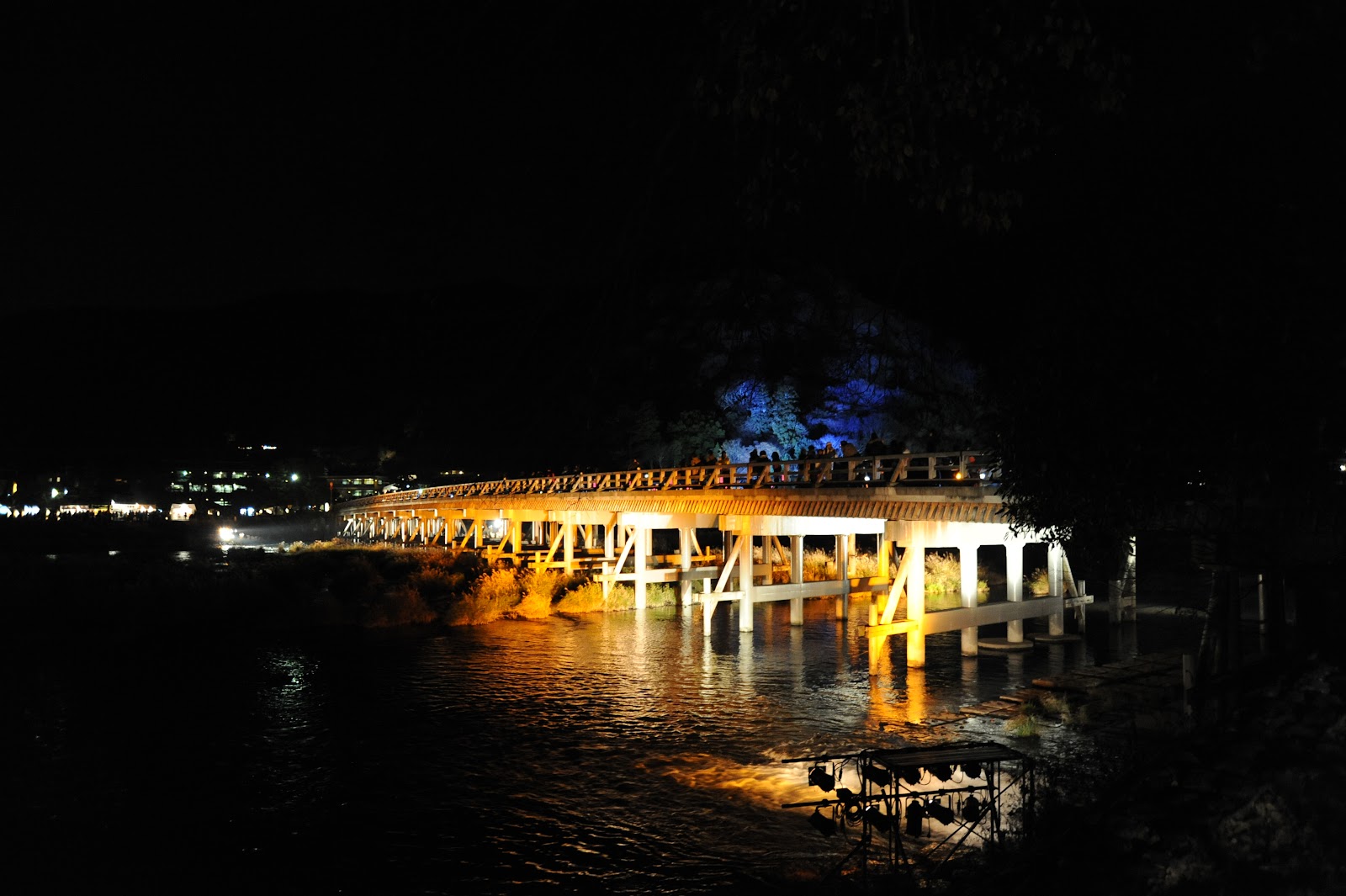


The other famous Kansai light up events are the Luminarie in Kobe and the Hikari Renaissance in Osaka. The events in Kyoto and Kobe have ended but you have until Christmas day to check out Osaka.
Link to Kyoto Arashiyama Hanatouro: http://www.hanatouro.jp/e/arashiyama/index.html
Link to Kobe Luminarie: http://www.kobe-luminarie.jp/
Link to Osaka Hikari Renaissance: http://www.hikari-renaissance.com/
Subscribe to:
Posts (Atom)