The weather was beautiful and Tenri was mostly quiet... Some changes here and there, a few due to COVID... More barrier-free in the shinden, many old shops closed, lots of new shops opened... It felt great to be back.
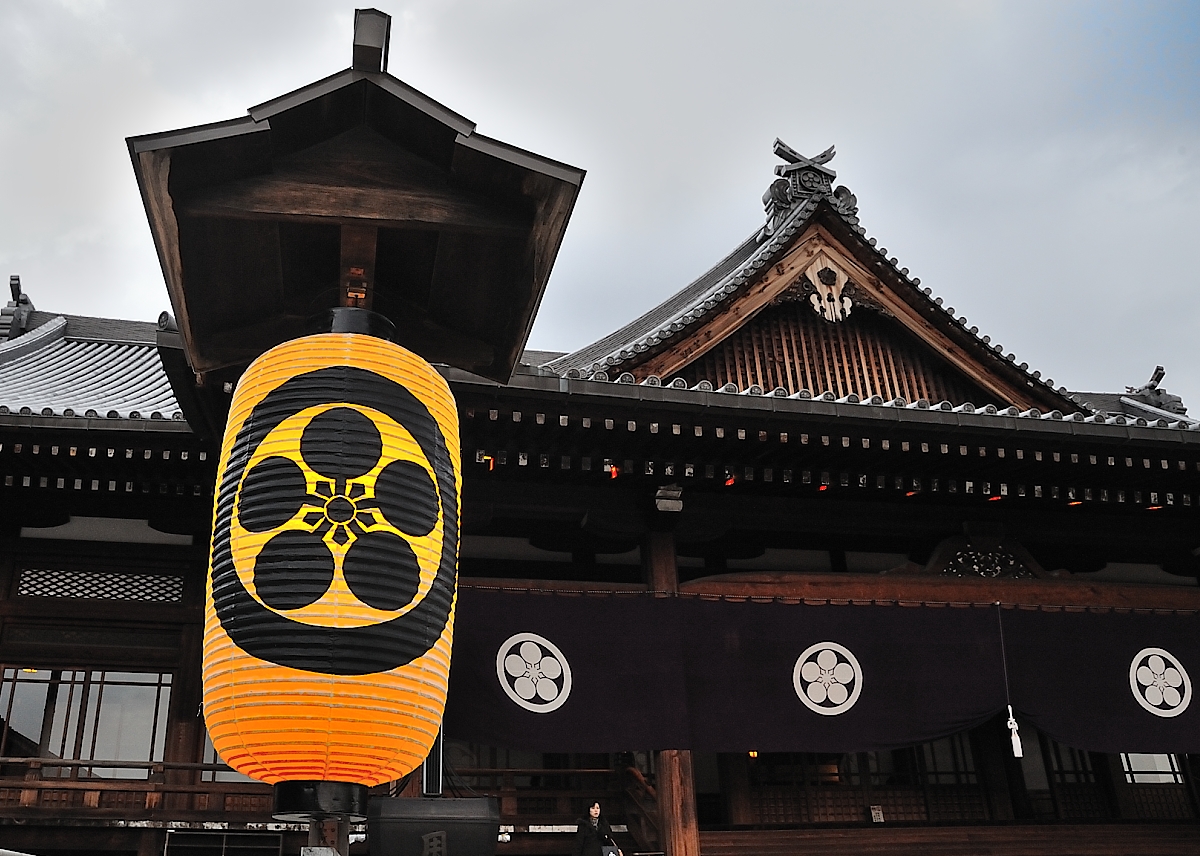
Set One: Tenrikyo Church Headquarters
Set Two: The old Adachi home is now an open rest space
Set Three: Shops
Set Four: The new sign near the station, the old sign near the church and the omiyagi...
I know nothing about this Congolese songwriter and singer, RAPHA BOUNDZEKI, other that he did a mash-up which includes Sections 1 - 3 of Tenrikyo's Mikagura-uta (The Songs for the Service) at approximately 00:26 - 03:30 (but do watch/listen to the whole video). Sections 1-3 are part of the seated service, one of Tenrikyo's main rituals done twice a day by followers. It is accompanied by a hand dance (resembling, but not quite sign langauge). Rapha's dance is... different. Apparently he visited a Tenrikyo mission station in the Congo and picked up the words (and perhaps spirit?). I doubt this is officially sanctioned by the church, but it is lively, catchy and a great example of Weird/Cool Globalization.
Tenri was one of the first places that made me fall in love with Japanese culture. In my early days in Japan I was able to explore Tenri often and deeply. Tenri is the home of Tenrikyo, an indigenous so-called "new religion" in Japan. For the most part Tenrikyo's belief system is independent although one can see cultural influences from Buddhism and Shinto. Tenrikyo believes in a monotheistic "God the Parent" and the practice of "the Joyous Life." Tenrikyo can be described as a pilgrimage religion (all humans were originally born in Tenri so when one visits they are always "coming home"), a faith healing religion (illnesses are a message from God and rituals are done to clear the dust that causes physical problems) and a missionary religion (Tenrikyo has spread out to the rest of the world - where there is a substantial Japanese population abroad you are bound to see Tenrikyo followers there as well).
Despite the "new religion" label, Tenrikyo seems incredibly Japanese culturally and historically. Foreign followers and young people often comment on the Meiji mentality and practices of the church headquarters. And the followers seem to be graying in the same way as Japanese society. I was initially drawn to Tenrikyo's seated service ritual which looks a lot like sign language. I don't get to visit Tenri as often these days, and when I do I always seem to be in a rush. Recently I was able to spend some leisurely time wandering around and taking photographs. Tenri with its amazing architecture, shopping arcade, friendly people and sense of spirituality is a place that must be experienced in person. Photographs cannot do it justice (although I still try...). For the full experience, visit Tenri in the morning of the 26th of each month for its monthly service.
I was fortunate enough to spend some time in Hawaii in Janaury. Hawaii is a part of the United States of America, right? America's tropical paradise... Here are some stereotypical photos of Hawaii. These are images that one associates with Hawaii, right? Coconut trees on the beach, against a beautiful blue sky and white fluffy clouds just before sunset... Ahhh paradise!
Waikiki Beach, on the patio of Duke's Bar. The famous Diamondhead is in the background. We also see surfboards and people partying on the beach.
Beautiful beach in Maui. The winds were strong that day and many surfers were enjoying the waves.
Sunset in western Maui; photo taken from the tourist-trap city of Lahaina.
Most of my time I spent in Honolulu. Honolulu is a classic example of Japanese globalization a la human dispersal. Many nikkeijin live in Honolulu and even more Japanese tourists visit. I think I heard more Japanese than English during my stay. Here are some shots of Japan in Hawaii:
Waikiki is filled with designer brand name shops, and thus Japanese tourists flock to these places.
International market. This is the place to go to buy typical tourist junk/trinkets/souvenirs/おみやげ.
Kitty-chan has become glocalized in Honolulu and made friends with Snoopy.
Japanese tourists are brought from place to place, hotel to shopping center, restaurant to tourist attraction, on these trolleys.
All of the shopping and other tourist activities are exhausting. Luckily coconut trees are available for relaxation.
Honolulu is also full of Japanese religion. There is a stretch of road on Pali Highway that has numerous and various Japanese temples, shrines, and churches. One example of a Japanese so-called "new religion" that has reached Japan is Tenrikyo. I stayed at a Tenrikyo church in the McCully area and was present for their January monthly service. Tenrikyo is a healing religion that encourages people to live the "Joyous Life." For more information on Tenrikyo, click here.
Tenrikyo Taiheiyo Church.
Dancing at the monthly service. Tenrikyo rituals are complicated and interesting, composed of hand gestures, dance and various instruments.
Tradtional dress vs. modern dress. Tenrikyo is very Japanese and has a strict vertical social structure. Major decisions for the Hawaiian churches are made in Japan. Nikkeijin, as Japanese-Americans (stress on the American) often have difficulties with strict Japanese traditions. One small change made in Hawaii is the attire for the service. Many people still wear the traditional kimono, but now one is able to wear black pants and the Tenrikyo happi coat instead.
The performance instruments are gendered in Tenrikyo. Males play the taiko drum, wooden clappers, small hand cymbals, small hand-held drum, small gong and flute. Females play the shamisen, koto and kokyu.
After the service is performed, the Church Head Minister gives a sermon. The theme for the January service was "positive change for the new year." The Head Minister explained experience that he and members of the congregation had as messages from God and interpreted their meanings in his lecture.
The same day as the Taiheiyo Tenrikyo Church Monthly Service there was a Hawaiian-Japanese festival.
New Year's Ohana Festival in Honolulu, near the Japanese Cultural Center. "Ohana" in Hawaiian means "family."
Rides, games, activities and food for the keiki. "Keiki" in Hawaiian means "children."
Osaka tako balls (たこやき) along with Hawaiian roasted corn.
One of the highlights of the festival was the mochi (rice cake) pounding demonstration. Who was recruited to do the demonstration?
Our good friends from the Hawaii Tenrikyo Missionary Headquarters, of course!
Here is a short video of the mochi pounding:
Hawaii is a great example of Japanese globalization. "Japan" is a part of the multicultural Hawaii that seems to live in harmony with many other peoples. Perhaps this multicultural harmony can be brought (re-territorialized) to Japan. Many feel that Japan's declining birthrate will require immigration of foreigners to work and support the aging population. Japan's tolerance of foreigners is problematic to say the least. A lesson from Hawaii along with a little aloha might be what Japan needs.